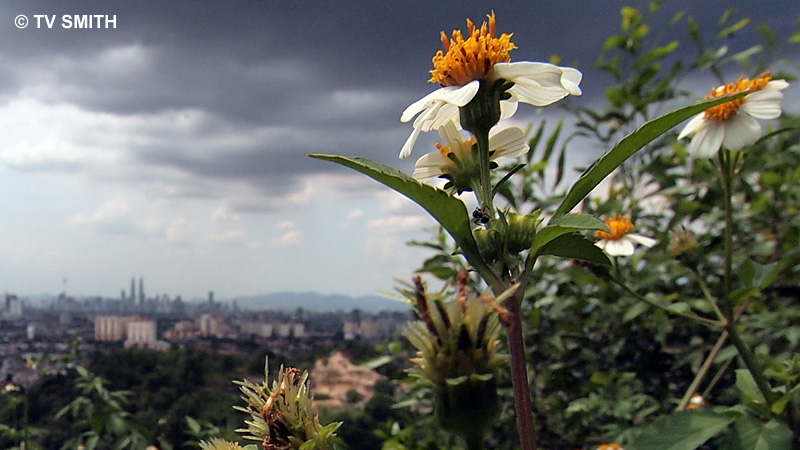
Stalking Storks

You’ve been told babies are brought in by storks. But where do storks come from? They come from Zoo Negara, apparently 🙂

The Painted Stork (Mycteria Leucocephala) you see perched above tall structures all over the Klang Valley were originally from India and Sri Lanka. Part of a captive breeding programme at Zoo Negara, the birds were subsequently released and became free-flying residents of the zoo.

In the mornings, they set off in various directions but return to roost in the evenings. Over the years, I have seen small colonies as far away as Putrajaya and above the Bird Park at the Lake Gardens.
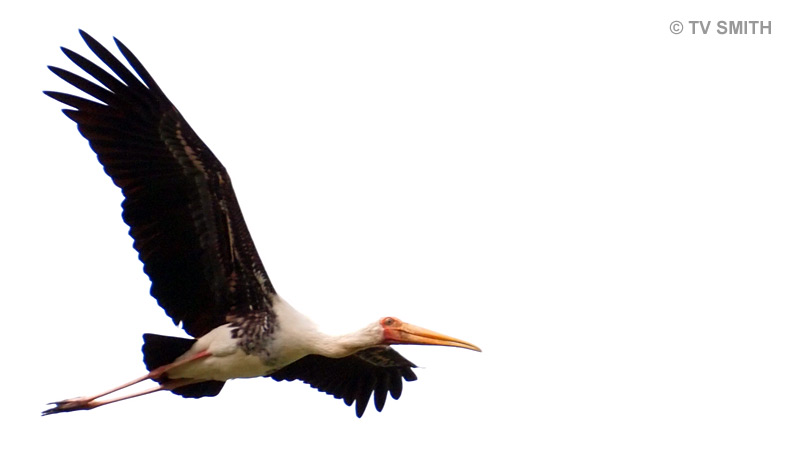
Olympus E-PL2, ISO 1000, f5.6, 1/2000 sec

Olympus E-PL2, ISO 1000, f5.6, 1/2000 sec

Road To Putrajaya. My fascination with these beautiful birds started when I spotted one flying alongside my car on the elevated sections of MRR2, about a decade ago. Since then, I have been observing them in flight and there is something peculiar. They often use highways as part of their flight path instead of flying line-of-sight.
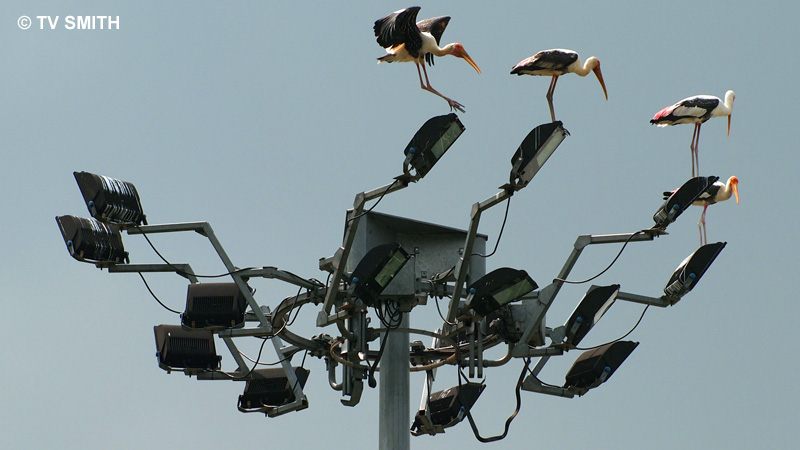
Olympus E-PL2, ISO 200, f7.1, 1/1000 sec

Olympus E-PL2, ISO 200, f7.1, 1/1000 sec

Morning Clock-In. On the Duke, near the Air Panas Toll Plaza, several flocks can be seen perched on the giant light fixtures. It is easier to get a shot of a stork landing than taking-off as they can stay perched at one spot for hours.
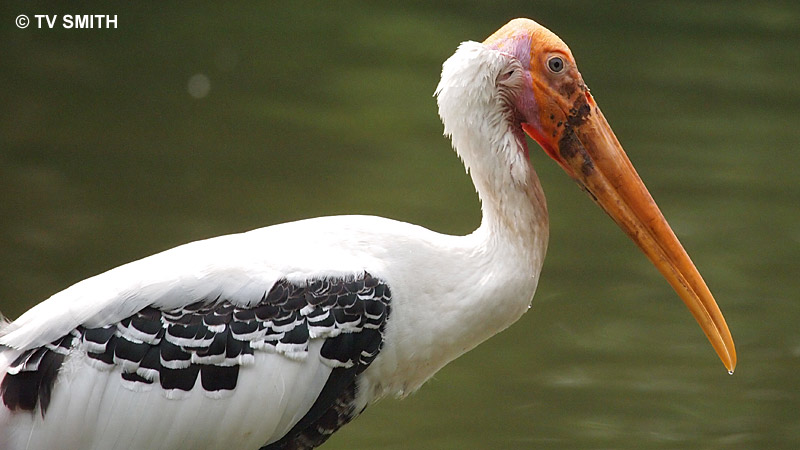
Olympus E-PL2, ISO 1600, f6.7, 1/2000 sec

Olympus E-PL2, ISO 1600, f6.7, 1/2000 sec

Up-Close. If they are not lazing on lamp posts, they can be seen wading and foraging in shallow waters. At Zoo Negara, they have a lake and a little island to themselves.
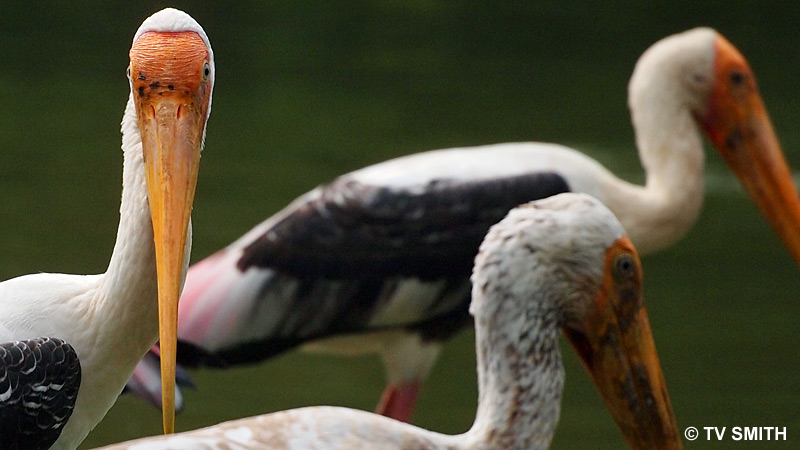
Olympus E-PL2, ISO 640, f6.4, 1/2000 sec

Olympus E-PL2, ISO 640, f6.4, 1/2000 sec

Birds Of A Feather. The Painted Stork gets its name from the distinctive pink feathers on its back.
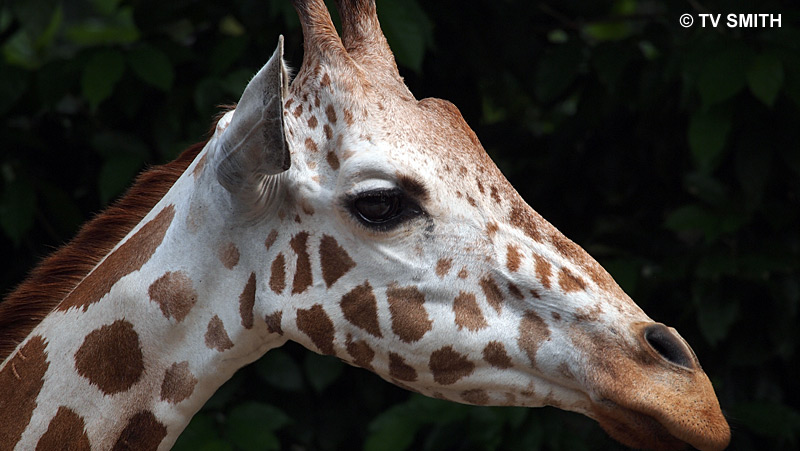
Olympus E-PL2, ISO 200, f8, 1/320 sec

Olympus E-PL2, ISO 200, f8, 1/320 sec

Nosy Neighbour. At the National Zoo, the giraffes are the storks’ next door neighbours. If you need a super sharp and long-reaching telephoto lens, I highly recommend the Olympus M.Zuiko ED 75-300mm (150 to 600mm equivalent ) zoom. All pictures here are photographed with this compact and feather-weight lens.

See also:
The Art Of Art Filters | Layang Layang | The Bird Park | Driving An Ultra-Wide

Tip: You can view larger versions of the images here, gallery-style. When the page finishes loading, click on any picture. Navigate via the arrows on each side of the frame.
Layang Layang

Strange as it may seem, there exists a place in Kuala Lumpur where people of different race and creed have fun together, voluntarily. No script, no slogans. No propaganda, no politics. That mythical place is the Kite Park…

Olympus E-PL2, ISO 200, f10, 1/320 sec

Olympus E-PL2, ISO 200, f10, 1/320 sec

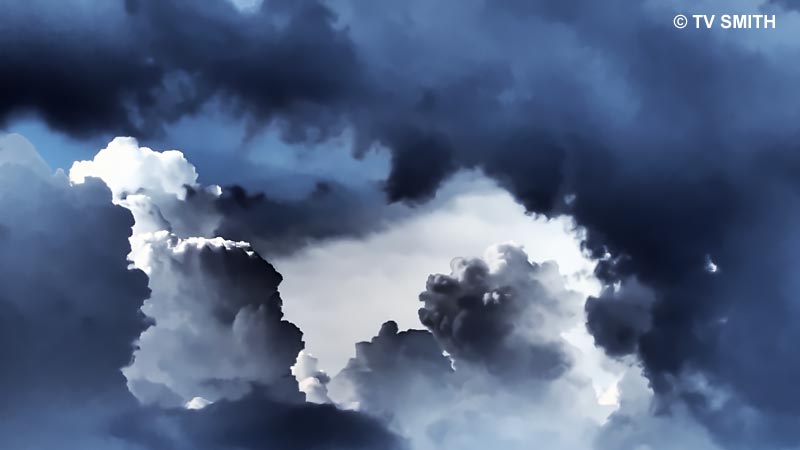
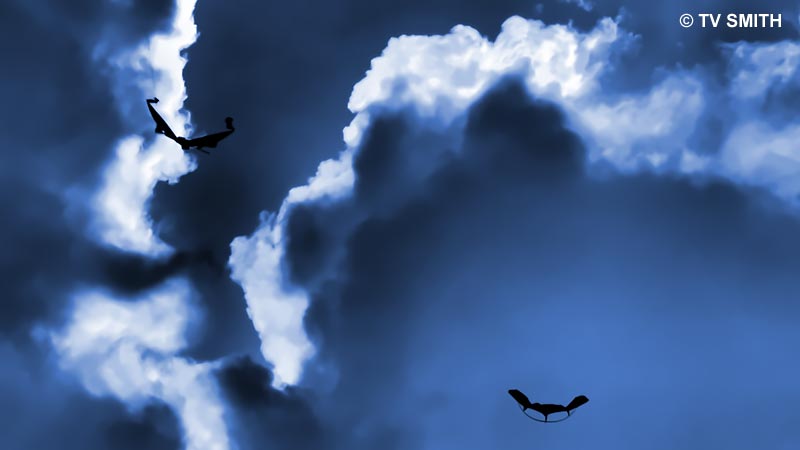
The giant white teddy bear in the sky (seated left) pushes away the dark clouds, triggering nasty stares and gnashing from the angry dog (inside gap)…

Olympus E-PL2, ISO 200, f10, 1/500 sec

Olympus E-PL2, ISO 200, f10, 1/500 sec

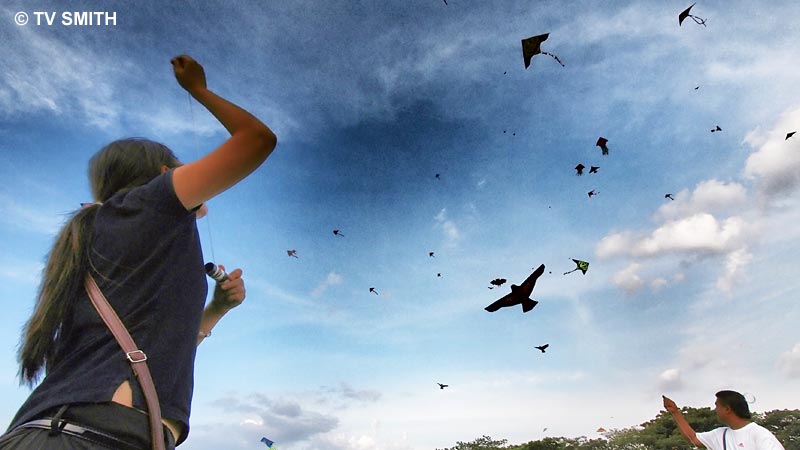
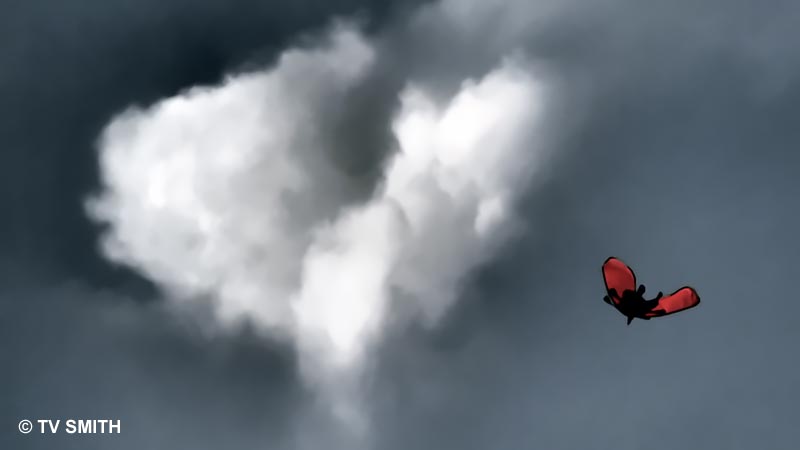
A shy little red kite was the first to greet the sleepy white clouds…

Olympus E-PL2, ISO 200, f11, 1/800 sec

Olympus E-PL2, ISO 200, f11, 1/800 sec

Then, one by one they soared. Dancing with the clouds, teasing the reluctant sun.

Olympus E-PL2, ISO 200, f9, 1/320 sec

Olympus E-PL2, ISO 200, f9, 1/320 sec

The eagle and the wau soon rule the sky. Traffic on the highway came to a standstill. More people were arriving, many parked miles down the road. The poor children…

Olympus E-PL2, ISO 200, f7.1, 1/125 sec

Olympus E-PL2, ISO 200, f7.1, 1/125 sec

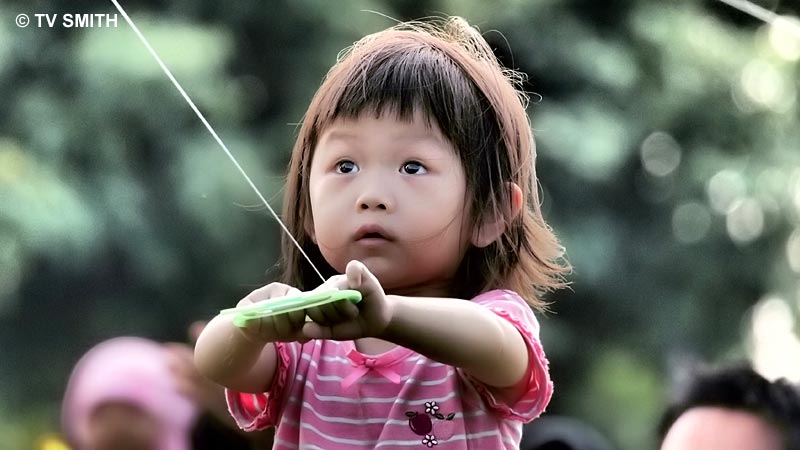
For this little girl, the long walk was definitely worth the extra effort. Here, she can command her kite, challenge the adults and master the wind.

Olympus E-PL2, ISO 200, f11, 1/640 sec

Olympus E-PL2, ISO 200, f11, 1/640 sec

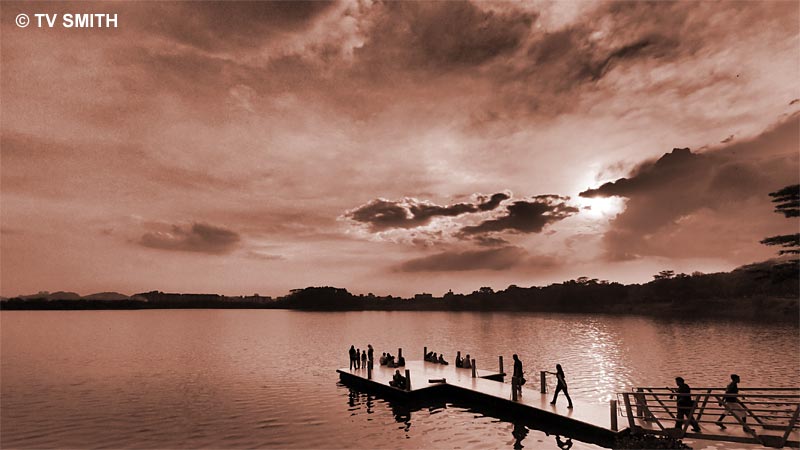
For those not into kites, the nearby lake offers a soothing retreat from the city.

Olympus E-PL2, ISO 200, f8, 1/180 sec with fill in flash

Olympus E-PL2, ISO 200, f8, 1/180 sec with fill-in flash

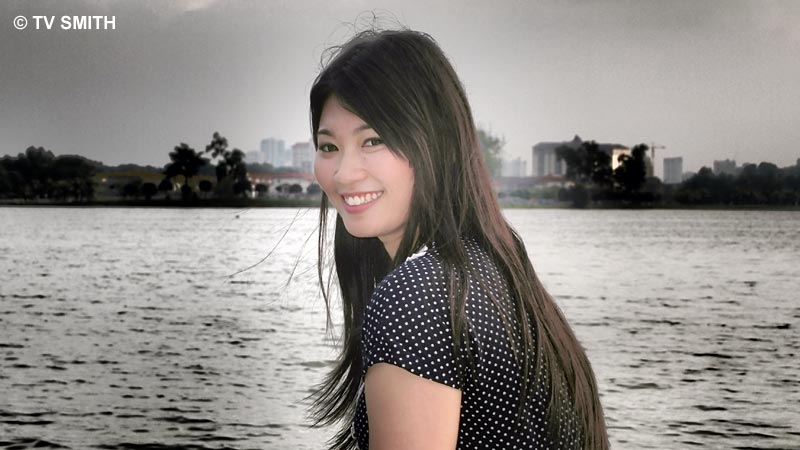
This city is not that far, as you can see in the background. This friendly and pretty stranger volunteered a pose. The halo effect is an artifact of this particular art filter and lighting.

All pictures here photographed with the Olympus E-PL2 with Dramatic Tone Art Filter enabled.

See also:
The Art Of Art Filters | The 1-Minute Food Pic | The Bird Park | Driving An Ultra-Wide

Tip: You can view larger versions of the images here, gallery-style. When the page finishes loading, click on any picture. Navigate via the arrows on each side of the frame.
Driving An Ultra-Wide

The Ultra-Wide-Angle Lens (UWA) is the most misunderstood lens. Like an exotic sports car, it is not only expensive but harder to steer under inexperienced hands. Most beginners and even seasoned users think the UWA is for getting everything in. In practice, the opposite is better. The less you take in, the less cluttered is the picture.

If you normally have problems leveling the horizon, you will find the ultrawide tougher to level with its distortion of parallel and perpendicular lines. Outdoors, the metering may also underexpose since the lens gets so much sky in.

Now imagine you are at Tahrir Square at the height of the Egyptian protests. A man next to you suddenly fires an automatic weapon into the air. The bullet casings are emptied in  your direction, as you crouch quickly. If you are not busy emptying your bladder, your ultrawide lens should help you capture a very dramatic view since you are closest. That’s right, and it may sound rather ironic. To use an ultrawide effectively, you must be willing (or able) to move close to the subject.

The UWA lens exaggerates perspective, the sense of scale and perceived distance of the
various elements in your picture. As such, even more thought should be given to the composition, putting those special characteristics of the lens to your advantage.

The following pictures are photographed with the new Olympus Pen E-PL2 camera paired with the superb Panasonic Lumix 7-14mm UWA lens (14mm to 28mm in the old economy). It is currently the widest native zoom lens in the Micro Four Thirds family.

Olympus E-PL2, ISO 250, f16, 1/180 sec with fill flash

Olympus E-PL2, ISO 250, f16, 1/180 sec with fill flash

Angel & Angler. I was about to climb down to the shore of the lake in Batu Dam to photograph an angler. Then, an angelic Iranian bride waltz in with billowing veil, Bollywood style. I didn’t know Ulu Yam, like Putrajaya, is now attracting wedding-photography tourism :). You can see the rain creeping in behind and I used the built-in flash of the camera for fill on the face. The ultra wide works even better when there is movement in the scene.

Olympus E-PL2, ISO 200, f4.5, 1/4000 sec

Olympus E-PL2, ISO 200, f4.5, 1/4000 sec

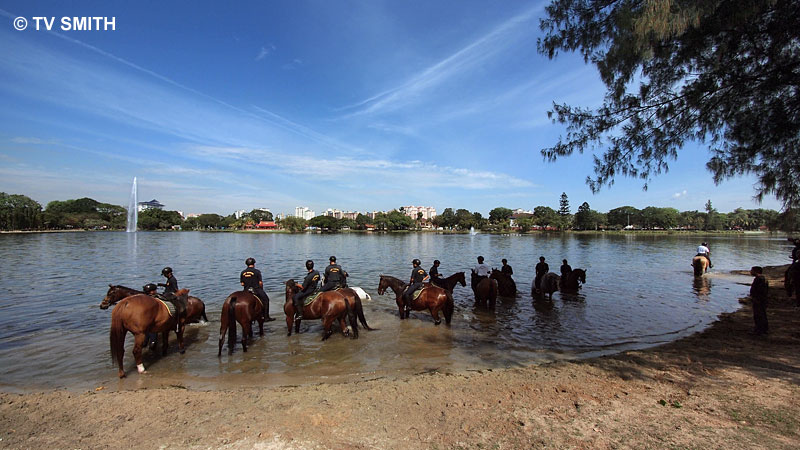
Horsing Around. I stumbled upon this group of DBKL mounted-troopers giving their horses a morning treat at Titiwangsa Lake. The ultrawide may be useful if you need to get a large group in, in a hurry. For landscapes, it may not be as good as everything in the horizon becomes too distant and small.

Olympus E-PL2, ISO 200, f4, 1/2000 sec

Olympus E-PL2, ISO 200, f4, 1/2000 sec

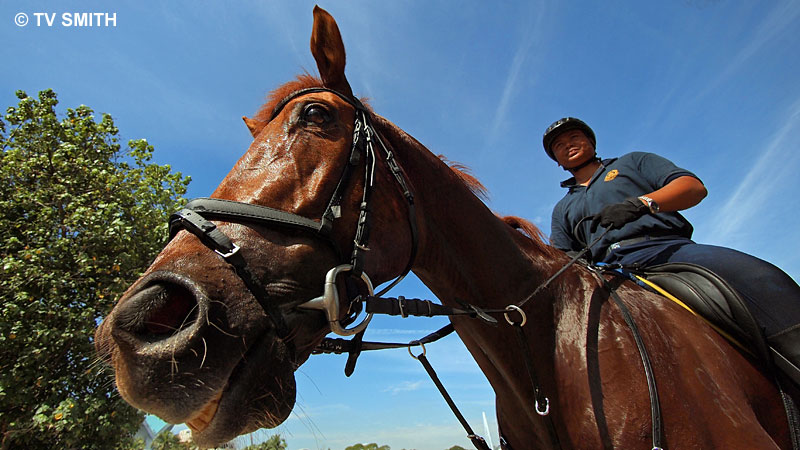
Getting Serious. Get your feet wet, move close and put the ultra-wide to where it belongs. Unlike a girlfriend, a horse does not complain when his head appears bigger than it actually is, up-close. The adult film industry exploits this characteristic of the wide angle lens quite cleverly ;).

Olympus E-PL2, ISO 200 f5.6, 1/160 sec

Olympus E-PL2, ISO 200 f5.6, 1/160 sec

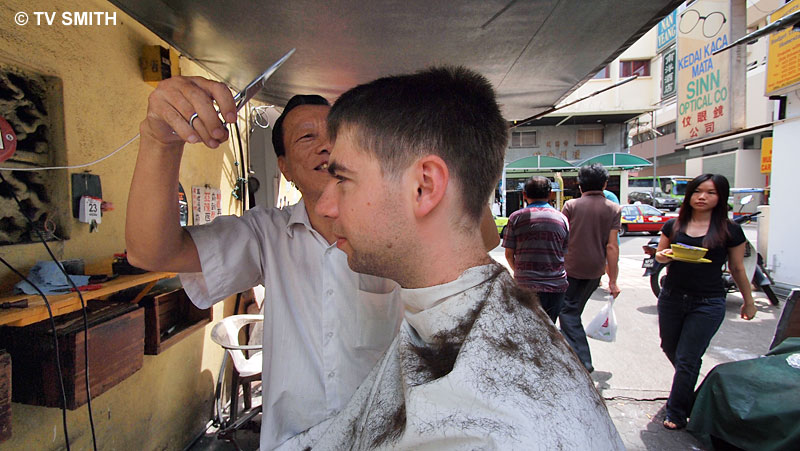
Backlane Barber. I wouldn’t normally recommend an ultra-wide lens for street photography, but here it helps show the barber’s locale in a busy side-lane. According to his friend, this barber is ‘world famous’ and normally charges USD 5 before he allows anyone to photograph him in action. Must be my lucky day as he was in a good mood and didn’t charge. The customer is a German backpacker.

Olympus E-PL2, ISO 200, f11, 1/1000 sec

Olympus E-PL2, ISO 200, f11, 1/1000 sec

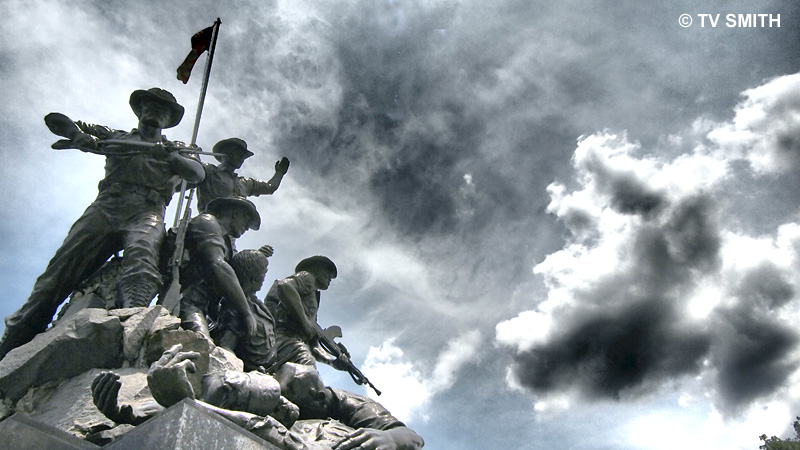
National Monument. The Olympus in-camera Dramatic Tone Art Filter works very well with an ultrawide. Maybe is just me but I keep seeing a shaggy white dog in the sky :).

Olympus E-PL2, ISO 200, f10, 1/500 sec

Olympus E-PL2, ISO 200, f10, 1/500 sec

Wild Flowers on the Balcony. The Panasonic Lumix 7-14mm UWA lens is extremely sharp. This is a 100% crop! Contrary to what you may have read, the depth-of-field is not limitless with a UWA, especially up-close. Focusing is even more critical at this range.

See also:
The Art Of Art Filters | The 1-Minute Food Pic | The Bird Park

Tip: You can view larger versions of the images here, gallery-style. When the page finishes loading, click on any picture. Navigate via the arrows on each side of the frame.