Face To Face

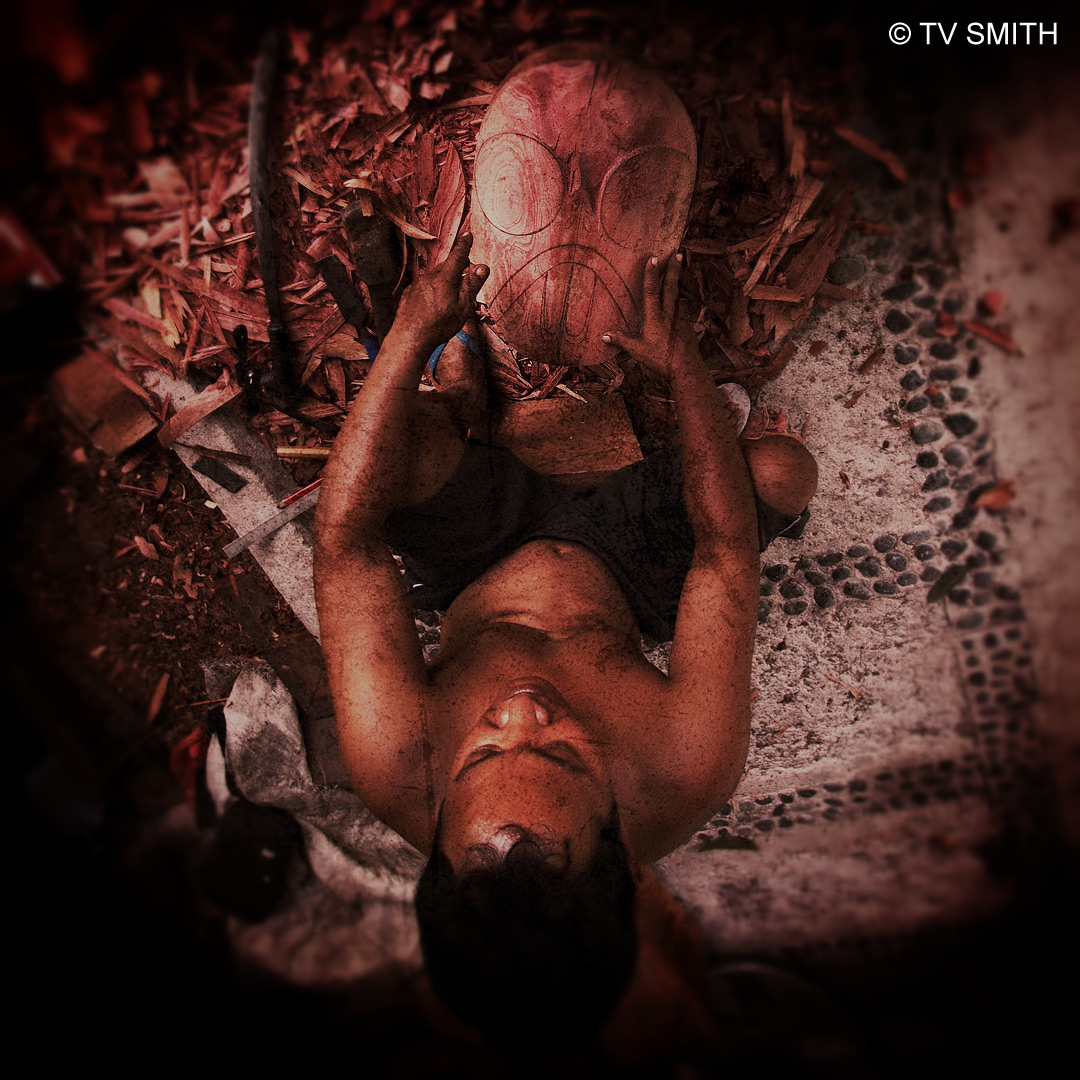
I was walking around the Orang Asli kampung (aboriginal village) in Carey Island looking for a Mah Meri artisan. Many of the craftsmen were in London for some Tourism Board exhibition last week.

Finally found Atan busy chipping away outside his house. The friendly Orang Asli  explained that each mask takes him about a month to make. It is sculptured out of a single piece of mangrove timber. He laments that wood of this size is increasingly hard to find in the nearby swamps.

The ancient Mah Meri art form includes figurines and other intricate carvings. See the next post for a picture of a completed mask.
Face To Face

Carey Island

Welcome to Carey Island. The mysterious Pulau Carey is named after Valentine Carey, a British planter during the turn of the century (1904). The island is now covered with cultivated oil palm trees but pockets of wildlife still exists. Carey Island is also home to the Mah Meri Orang Asli (aboriginal) tribe, famous for their masks crafted from mangrove wood.

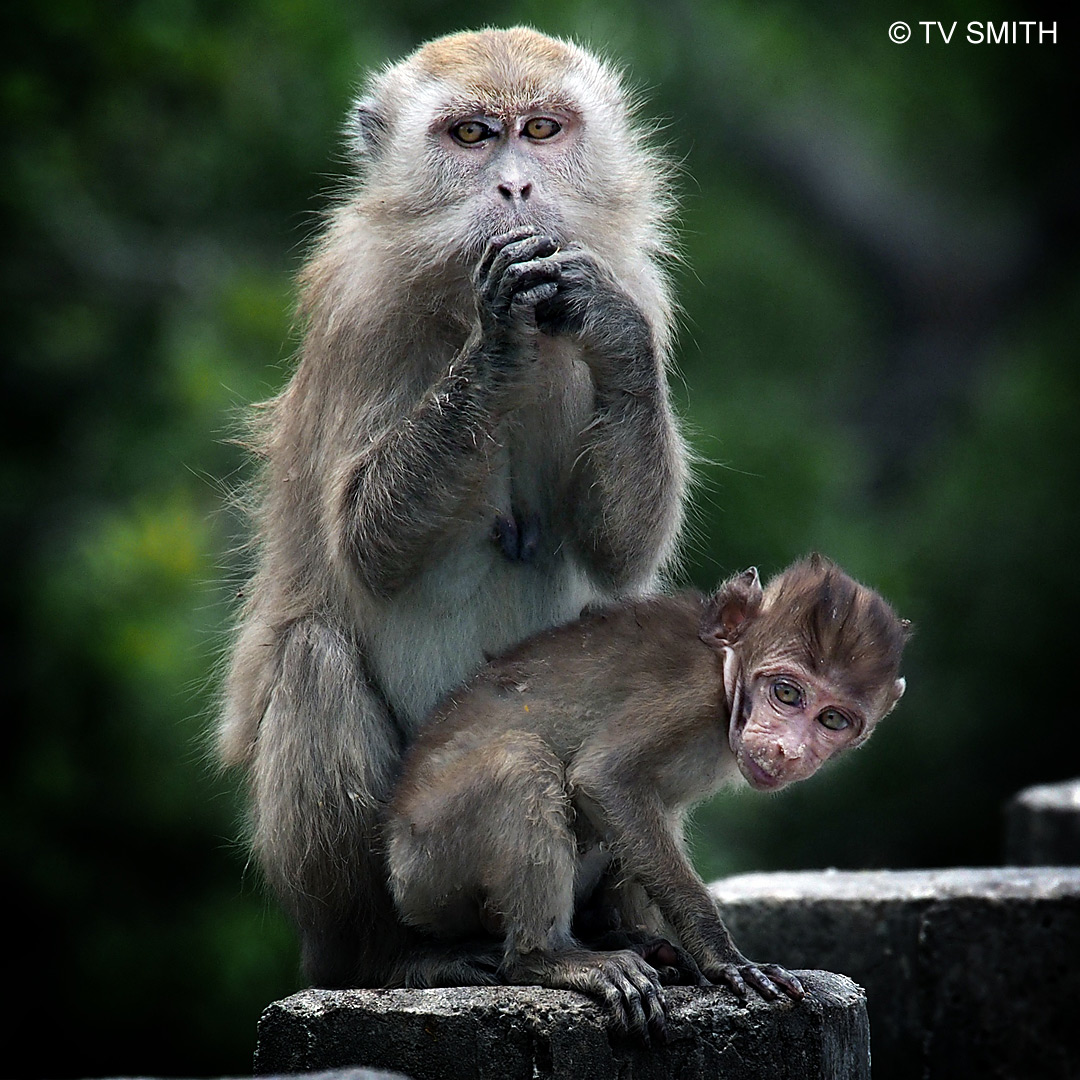
Carey’s other claim to fame was his import of crows from Sri Lanka to control pests on his rubber trees then. Like a mad scientist’s experiment gone awry, the intelligent crows flew to the mainland, multiplied and became today’s pesky urban scavengers.

Carey Island

Tanjung Sepat

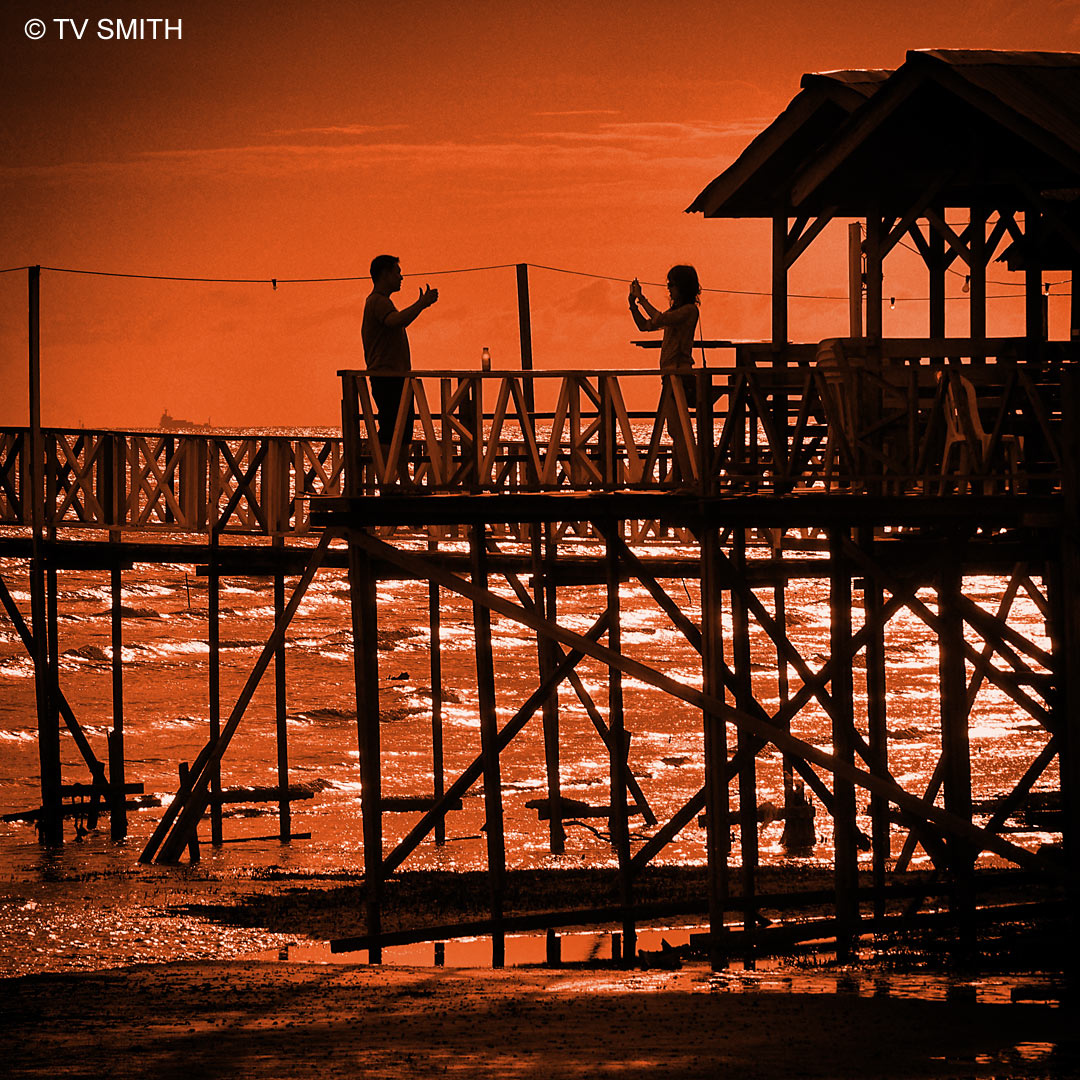
Tanjung Sepat is a quaint fishing village that enjoyed a tourism boom of late, thanks to a new phenomenon. Hundreds of day-trippers flock there on weekends with single-minded purpose. The urbanites’ primary intention is to get a picture of themselves complete with thumbs-up or V-sign pose. This is due to the intense competition to post pictures of themselves camwhoring at rural settings for their Facebook or Instagram account 🙂

Photographed at the Gano (Mushroom) Homestay Farm in coastal Tanjung Sepat, Selangor.

Tanjung Sepat