You Pay Peanuts, You Get Photo Bombers

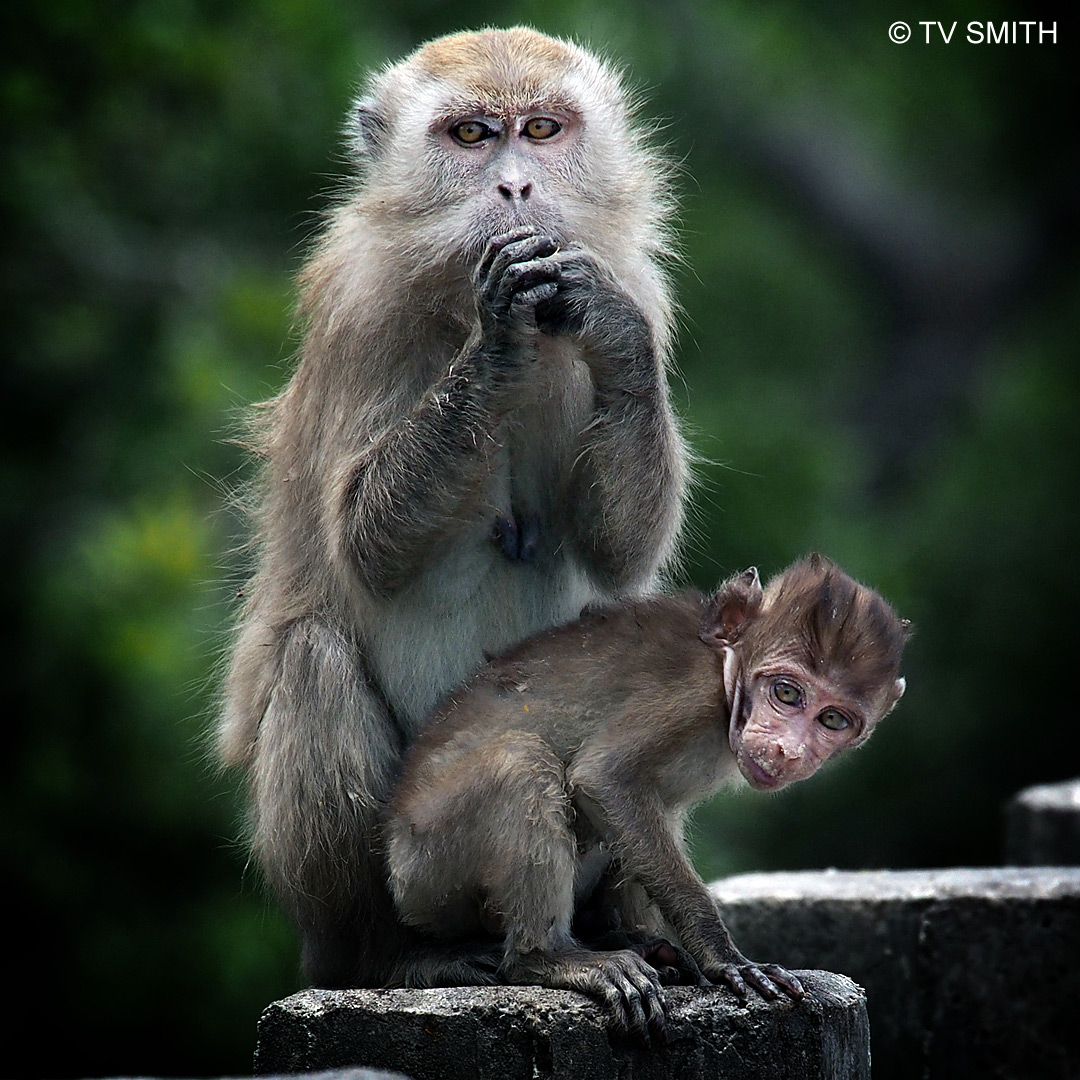
Wild monkeys seem to enjoy cam-whoring too. Or photo-bombing to the delight of those in the picture. Some of the Silver-Leafed monkeys in Kuala Selangor would jump on the shoulders of unsuspecting tourists when they see them posing for a photo. Fortunately, the endangered species have not learned the gratuitous V sign (as yet).

Not sure if it is a good thing but it appears to be a symbiotic relationship. The friendly wildlife attract hordes of visitors to Malawati Hill and in return they get fed with fruits and nuts.

Olympus OM-D, ISO 200, f11, 1/1600 sec.
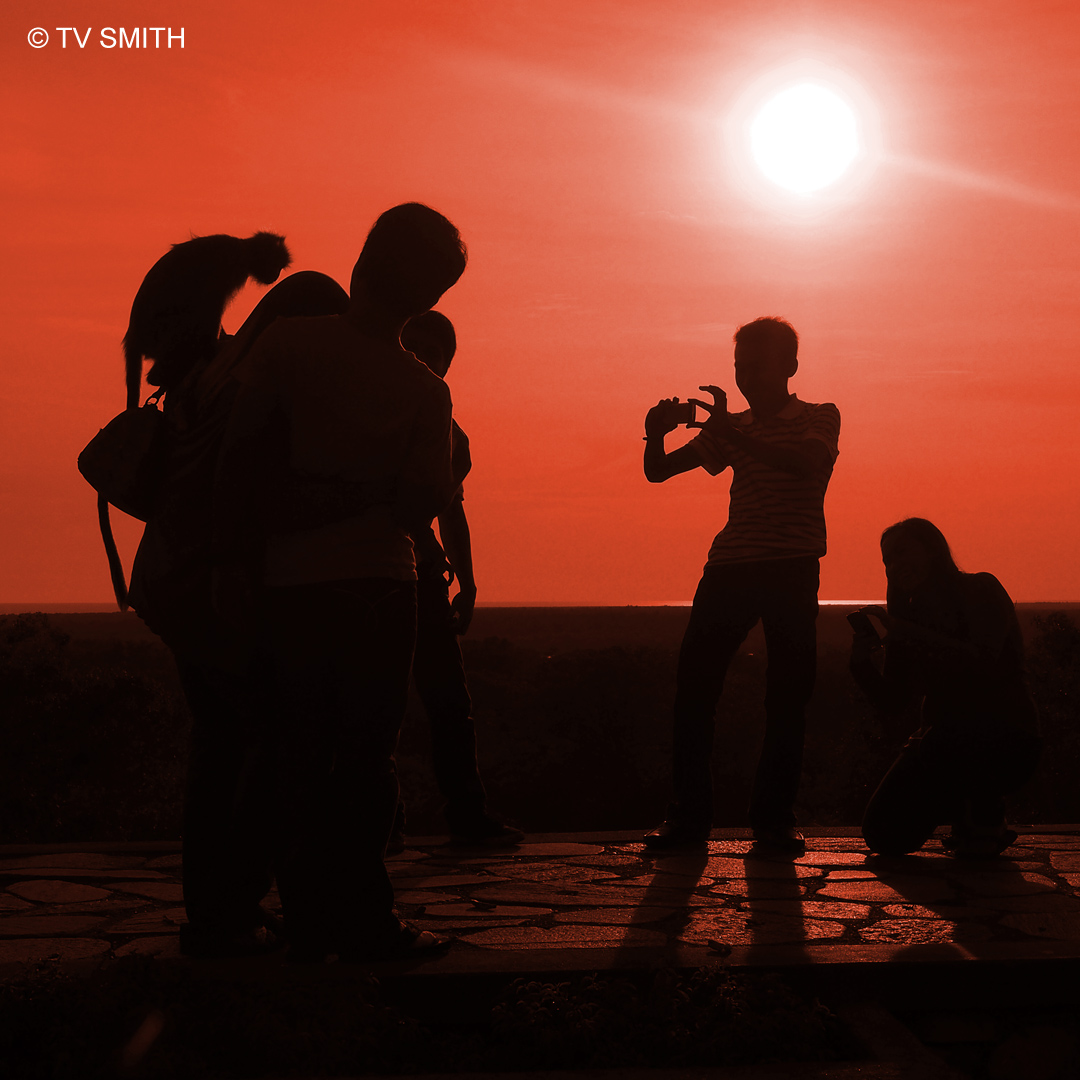
Photo Bomber

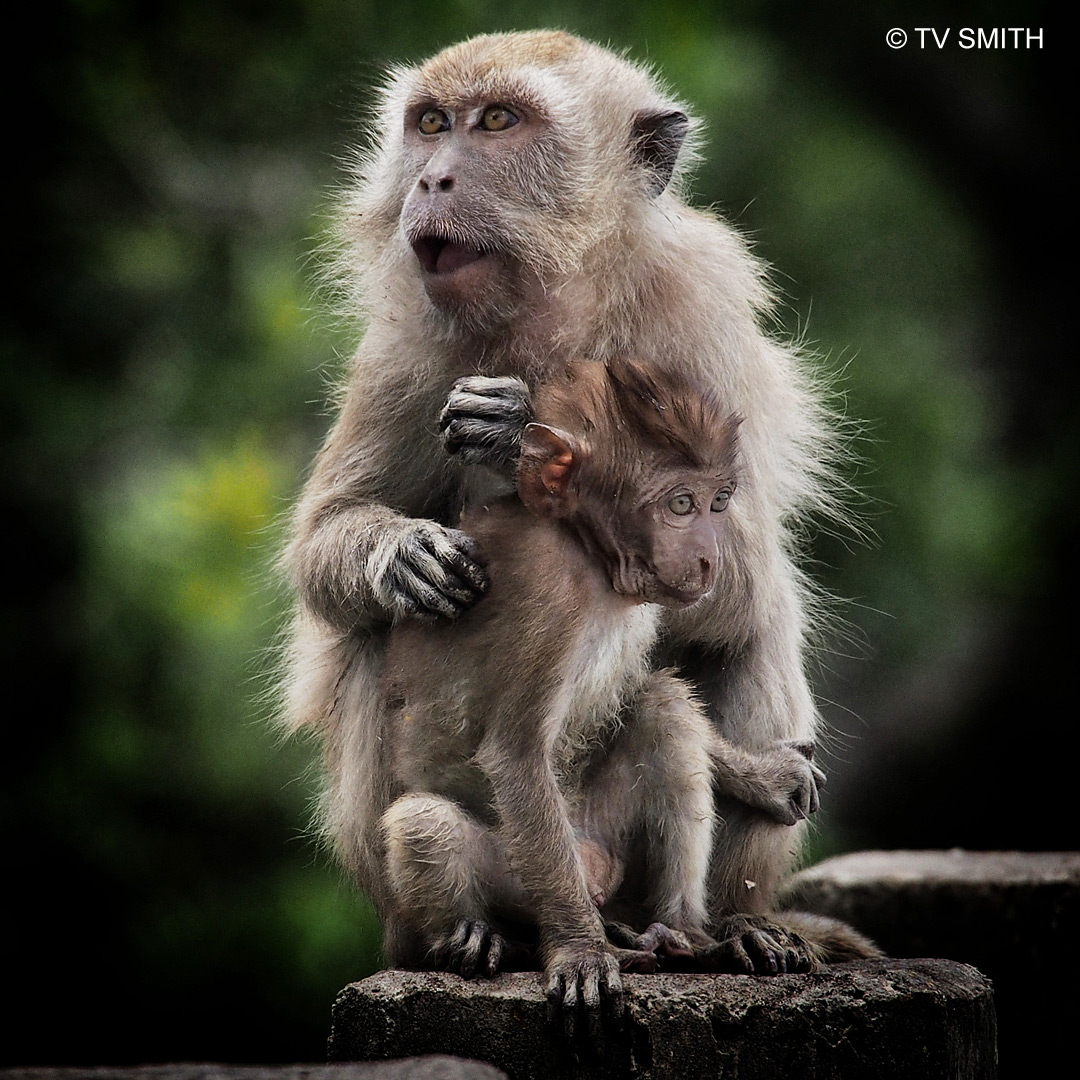
A Mother’s Love

A young macaque is safe in the arms of his mother, for now. His future is bleak. As deforestation reduced their natural habitat, the monkeys moved closer to human settlements searching for food. It is wrong to blame and treat them as pests and intruders. We stole their homes and destroyed their natural food source.

They are killed through massive culling by shooting. Some of those caught are allegedly sold to restaurants and laboratories abroad. We need to embark or continue with some of the more humane methods such as relocation.

After all, they are very much like us. The mother hugs and cuddles her child when he’s sad. Happy Mother’s Day.

Olympus OM-D, ISO 200, f8, 1/500 sec.

A Mother's Love

Carey Island

Welcome to Carey Island. The mysterious Pulau Carey is named after Valentine Carey, a British planter during the turn of the century (1904). The island is now covered with cultivated oil palm trees but pockets of wildlife still exists. Carey Island is also home to the Mah Meri Orang Asli (aboriginal) tribe, famous for their masks crafted from mangrove wood.

Carey’s other claim to fame was his import of crows from Sri Lanka to control pests on his rubber trees then. Like a mad scientist’s experiment gone awry, the intelligent crows flew to the mainland, multiplied and became today’s pesky urban scavengers.

Carey Island