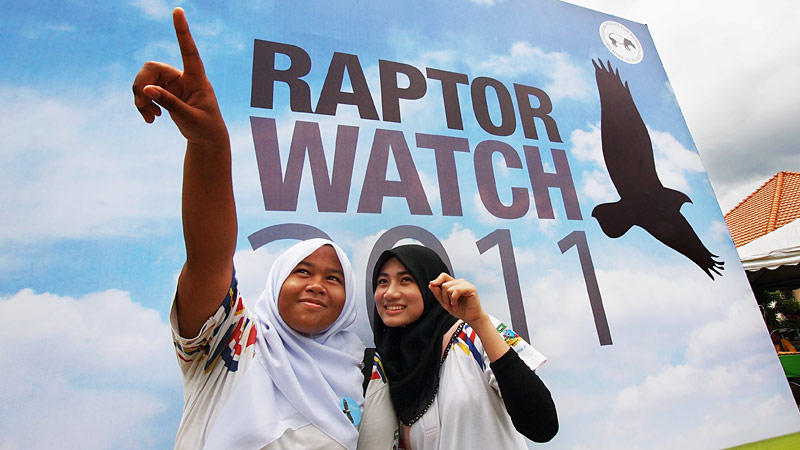
Raptor Watch 2011

Olympus E-PL2, ISO 200, f10, 1/400 sec

Acara Pemerhatian Burung Helang 2011 - Olympus E-PL2, ISO 200, f10, 1/400 sec

Every year, around this time, thousands of migratory eagles, hawks and buzzards make a stopover at Tanjung Tuan in Port Dickson. The magnificent raptors are on a long and hazardous journey home from Pulau Rupat in Indonesia. With the end of winter, the birds are returning to their native habitat in Siberia, China, Mongolia, Korea, Japan, India and Indochina.

The Malaysian Nature Society (MNS) has been organising the Raptor Watch weekend to celebrate this spectacular phenomenon, to promote eco-tourism and to educate the public on the importance of conservation.
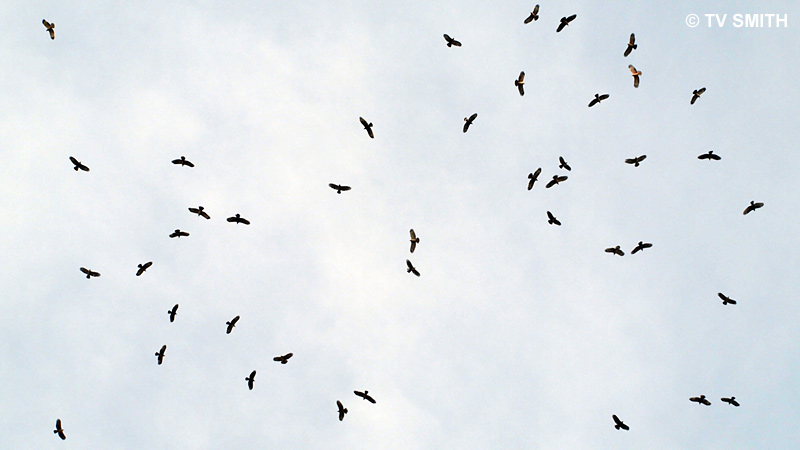
Olympus E-PL2, ISO 200, f9, 1/640 sec

Olympus E-PL2, ISO 200, f9, 1/640 sec

Greatest Show Above Earth. It was already 5 pm on Saturday and I was about to leave for KL. I was at the PNB Ilham Resort since 11 am and didn’t spot a single raptor. Then, all of a sudden, hundreds of them appeared magically from across the the Straits of Malacca and put up this awesome aerial show.
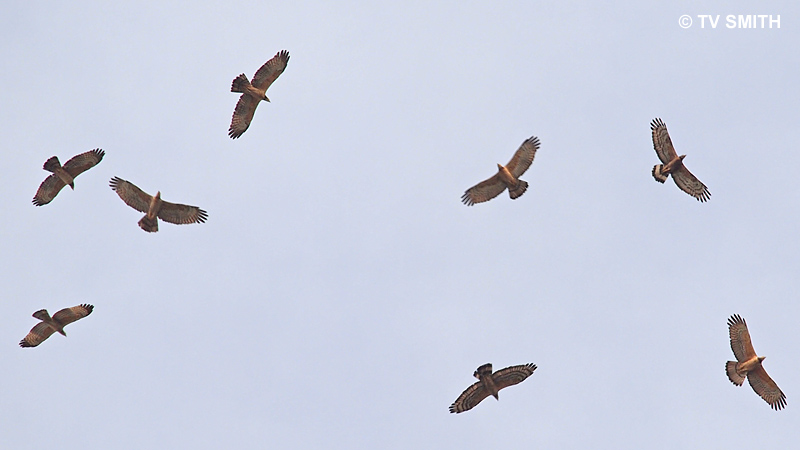
Olympus E-PL2, ISO 200, f10, 1/400   sec

Olympus E-PL2, ISO 200, f10, 1/400 sec

High Flyers. The birds utilise the hot air currents to give it lift and to glide; thereby saving energy for the long journey ahead. It’s an honour to greet these soaring visitors and every Malaysian should endevour to see it at least once in their lifetime. With the birds cruising so high up, a pair of binoculars may be useful. With the Olympus M.Zuiko 75-300mm lens, the magnification is approximately 15x.
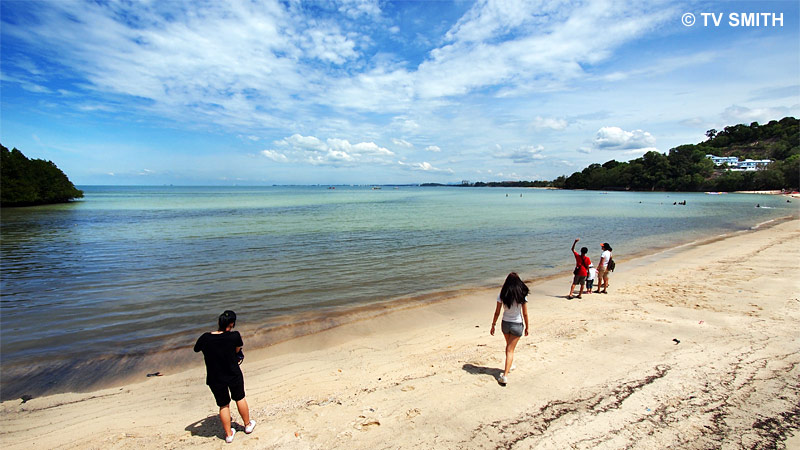
Olympus E-PL2, ISO 200, f11, 1/640 sec

Olympus E-PL2, ISO 200, f11, 1/640 sec

Cape Ricardo, Blue Lagoon and Tanjung Tuan are some of the names for this stretch of picturesque beach in PD. The migratory birds chose the spot for practical reasons. It is the shortest point between here and Indonesia and there is a forest (reserve) where they can rest for the night and feed.
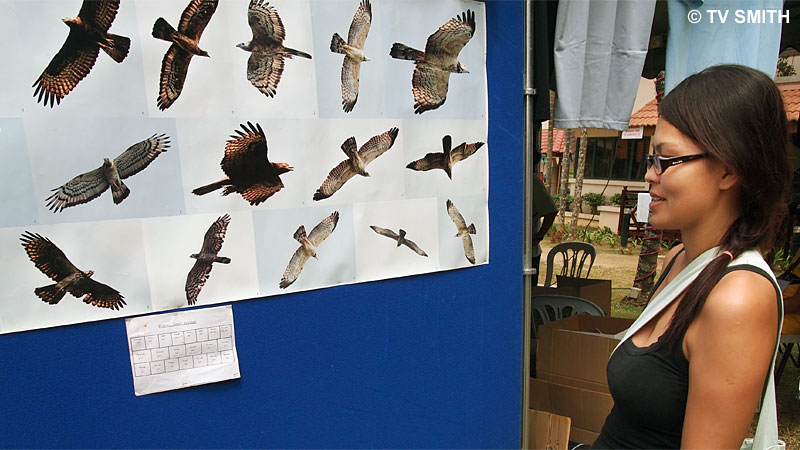
Olympus E-PL2, ISO 200, f7.1, 1/320 sec

Olympus E-PL2, ISO 200, f7.1, 1/320 sec

Eager Learner. There are a lot of things to see and learn on the ground. The pictures are of the Oriental Honey Buzzards. Other raptors spotted include the Greater Spotted Eagle, Japanese Sparrowhawk, Black Baza, Chinese Goshawk and Eurasian Kestrel (among some of the 25 species of visiting raptors).

Olympus E-PL2, ISO 200, f6.3, 1/160 sec

Olympus E-PL2, ISO 200, f6.3, 1/160 sec

Come Together. Buy a T-shirt from the MNS or sign-up as a member to help their education and conservation efforts.
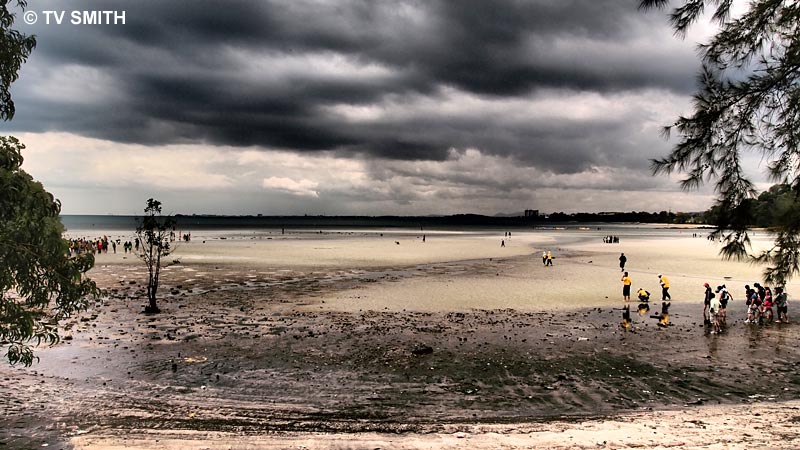
Olympus E-PL2, ISO 200, f9, 1/400 sec

Olympus E-PL2, ISO 200, f9, 1/400 sec

No Dampener. Take guided mangrove walks under the lighthouse or seashore walks. The camera’s Dramatic Tone Art Filter was enabled for this view of the shore at low tide with rain clouds hovering above.
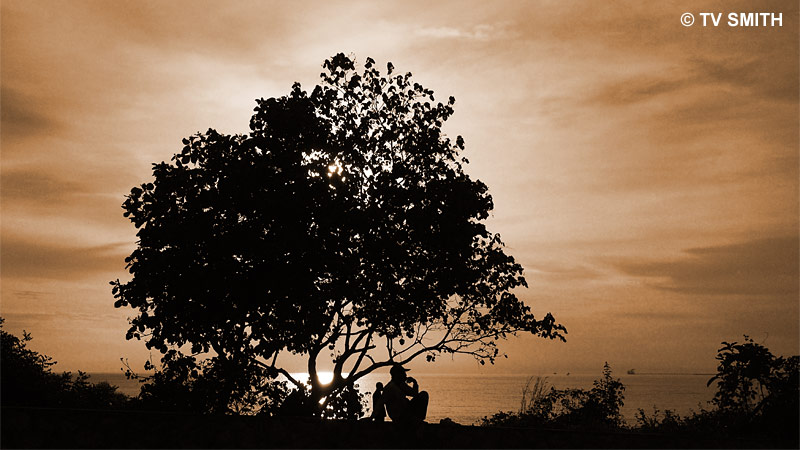
Olympus E-PL2, ISO 200, f11, 1/3200 sec

Olympus E-PL2, ISO 200, f11, 1/3200 sec

Sunset over Straits of Malacca. For the adventurous, the Port Dickson-Melaka coastal road offers much to explore such as rustic kampung houses and lonely beaches around the Kuala Linggi and Pasir Panjang areas.

See also:
Angsty Ants | Layang Layang | The Bird Park | Stalking Storks | The Art Of Art Filters

Tip: You can view larger versions of the images here, gallery-style. When the page finishes loading, click on any picture. Navigate via the arrows on each side of the frame.
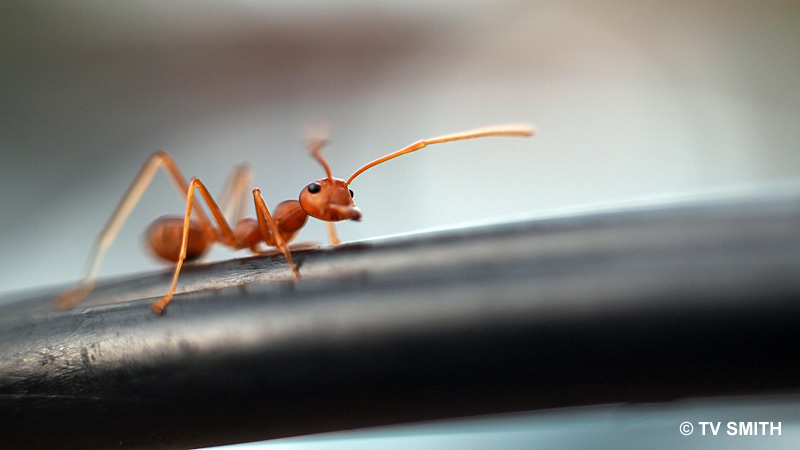
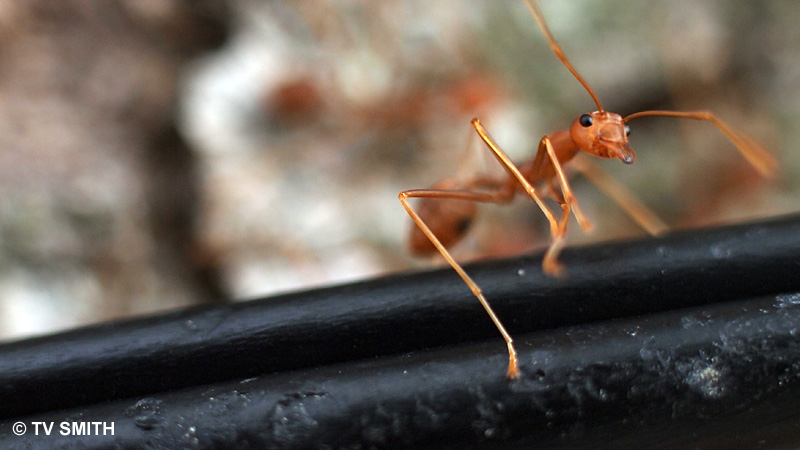
Angsty Ants

I got a call from a very impatient-sounding ant the other day…

Ant: Do you do portraits?
Me: Sorry, I don’t do formals.
Ant: But the storks recommended you. Do you do casuals then?
Me: How big… eh… I mean how small are you guys?
Ant: My head is less than 1 mm.
Me: Depth-of-Field may be a problem.
Ant: It’s not our problem.
Me: Can I use flash?
Ant: No! Jeez. Flash is not allowed in the colony.
Me: No group shots I hope.
Ant: Why???
Me: Ants are hard to control and don’t take instructions well.
Ant: Alright. How much?
Me: What’s your budget?
Ant: A few grains of sugar. They are expensive nowadays, you know.
Me:  Deal. Promise you pay me in 90 days?
Ant: Of course. I don’t live that long anyway.

So the next day I went to the designated spot under a tree and there were a few ants hanging on a cable tied to a branch. I felt a sting on my left toes and realise I almost stepped on the client. And so my job began…

Olympus E-PL2, ISO 200, f3.5, 1/250 sec

Olympus E-PL2, ISO 200, f3.5, 1/250 sec

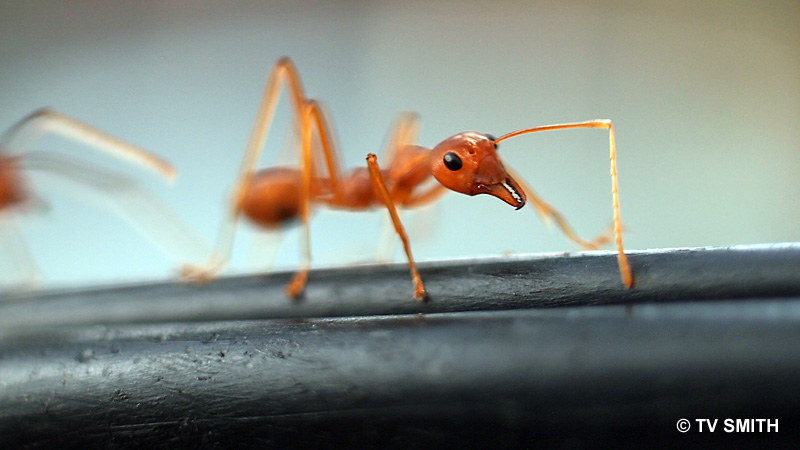
First off was Jeremiah, a worker ant originally from Tapah. He stood still long enough for me to focus on the eyes.

Olympus E-PL2, ISO 400, f3.5, 1/250 sec

Olympus E-PL2, ISO 400, f3.5, 1/250 sec

Selvi insisted on a profile shot and was posing too hard. She needs to relax.

Olympus E-PL2, ISO 200, f4.5, 1/250 sec

Olympus E-PL2, ISO 200, f4.5, 1/250 sec

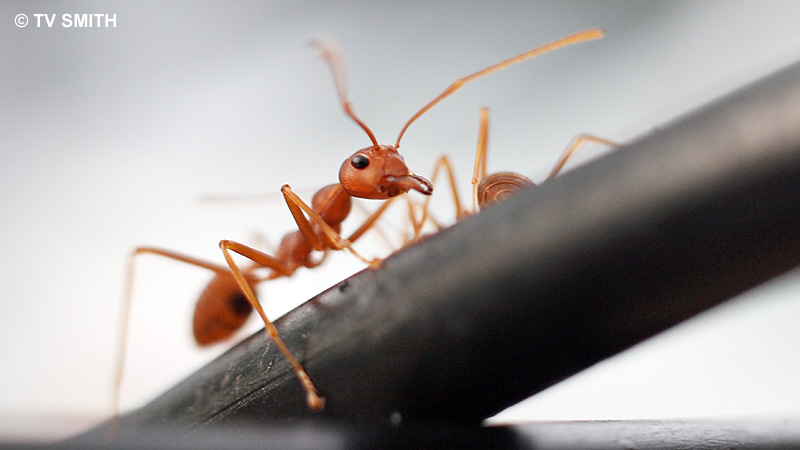
Mike, the guy who commissioned the job, was bossy as usual but was easy to work with. Problem is his wife keeps tagging along. She can be seen hiding behind. Oh well.

Olympus E-PL2, ISO 200, f3.5, 1/250 sec

Olympus E-PL2, ISO 200, f3.5, 1/250 sec

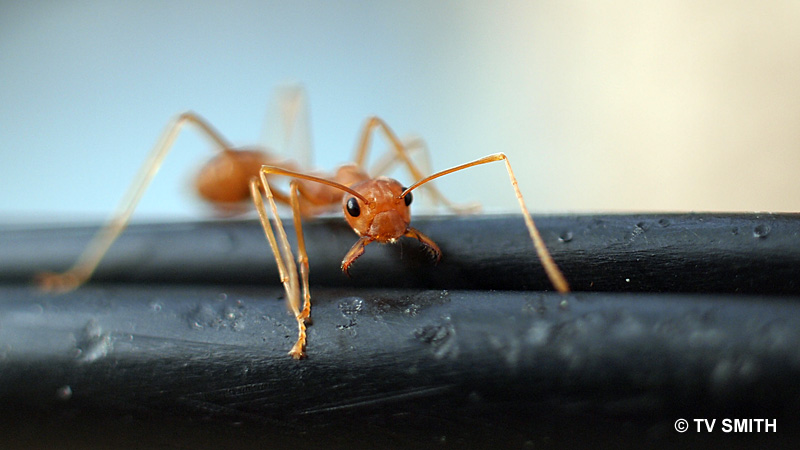
Instead of saying ‘Cheese’, I said ‘Sweet’ and Annuar showed me his sharp teeth.

Olympus E-PL2, ISO 320, f3.5, 1/250 sec

Olympus E-PL2, ISO 320, f3.5, 1/250 sec

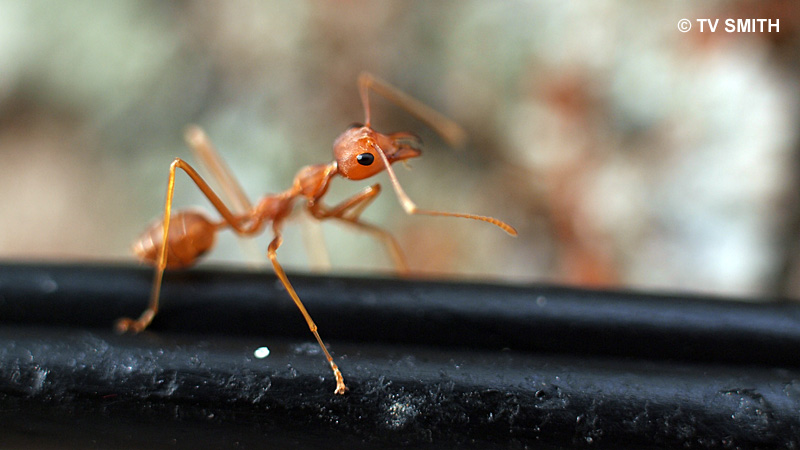
Siew Ying was most shy and didn’t strike an aggressive stance like the others. Turned out better.

Olympus E-PL2, ISO 200, f3.5, 1/250 sec

Olympus E-PL2, ISO 200, f3.5, 1/250 sec

Mike again, after pushing his wife off the cable. For my next ant portraits I must bring along a tripod. It was quite tough hand-holding the camera and trying to set focus on their eyes manually at the same time.

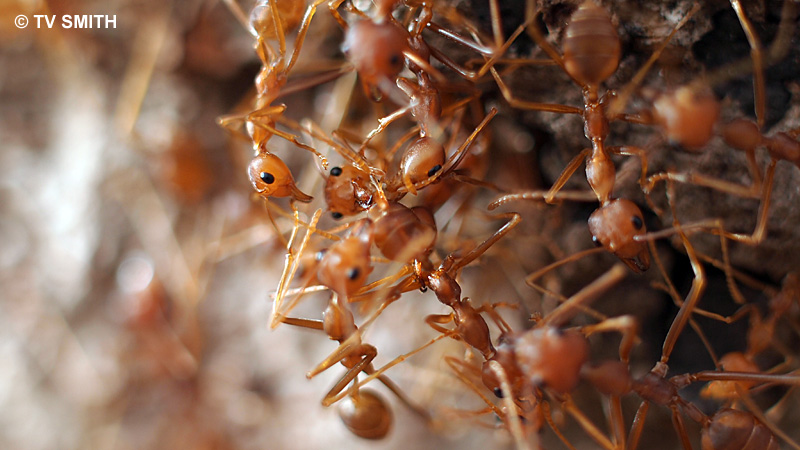
Olympus E-PL2, ISO 200, f3.5, 1/80 sec with flash

Olympus E-PL2, ISO 200, f3.5, 1/80 sec with flash

Remember I told you I don’t like doing group shots for ants. It can get really messy as they refuse to follow instructions. For this shot, I sneaked in a burst of flash from a wireless FL-36R unit held with the other hand. That also contributed to the pandemonium.

All pictures photographed with the Olympus Pen E-PL2, Zuiko Digital 35mm f3.5 Macro Lens, Olympus EX-25 Extension Tube and Olympus MFF-2 Lens Mount Adapter.

See also: The Art Of Art Filters | Layang Layang | The Bird Park | Stalking Storks

Tip: You can view larger versions of the images here, gallery-style. When the page finishes loading, click on any picture. Navigate via the arrows on each side of the frame.
Stalking Storks

You’ve been told babies are brought in by storks. But where do storks come from? They come from Zoo Negara, apparently 🙂

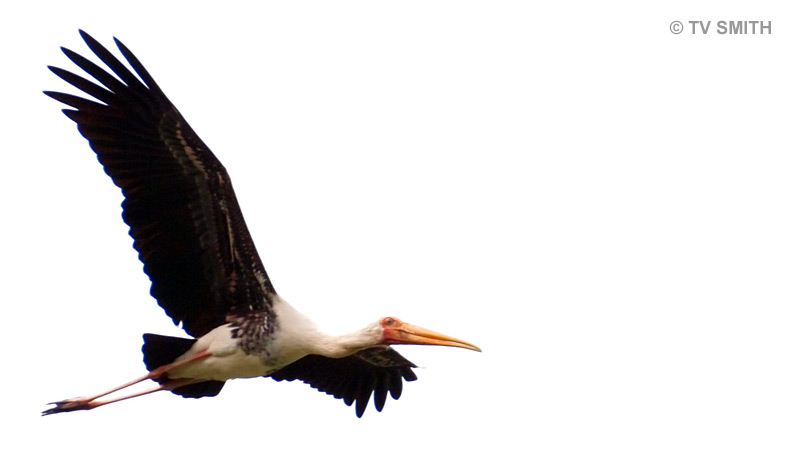
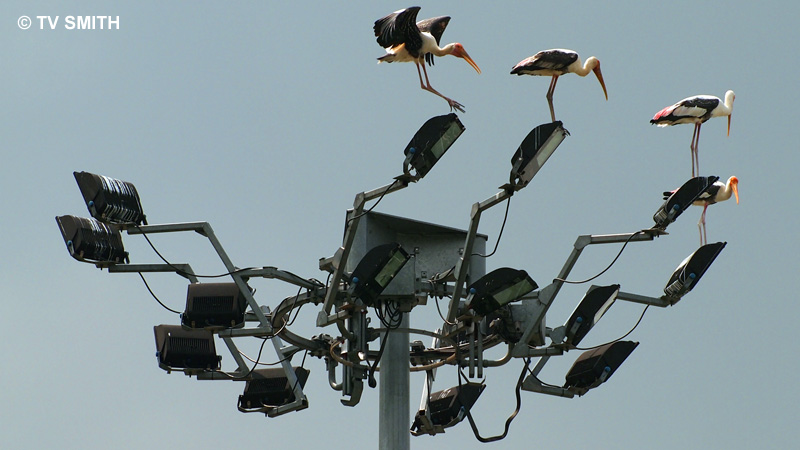
The Painted Stork (Mycteria Leucocephala) you see perched above tall structures all over the Klang Valley were originally from India and Sri Lanka. Part of a captive breeding programme at Zoo Negara, the birds were subsequently released and became free-flying residents of the zoo.

In the mornings, they set off in various directions but return to roost in the evenings. Over the years, I have seen small colonies as far away as Putrajaya and above the Bird Park at the Lake Gardens.

Olympus E-PL2, ISO 1000, f5.6, 1/2000 sec

Olympus E-PL2, ISO 1000, f5.6, 1/2000 sec

Road To Putrajaya. My fascination with these beautiful birds started when I spotted one flying alongside my car on the elevated sections of MRR2, about a decade ago. Since then, I have been observing them in flight and there is something peculiar. They often use highways as part of their flight path instead of flying line-of-sight.

Olympus E-PL2, ISO 200, f7.1, 1/1000 sec

Olympus E-PL2, ISO 200, f7.1, 1/1000 sec

Morning Clock-In. On the Duke, near the Air Panas Toll Plaza, several flocks can be seen perched on the giant light fixtures. It is easier to get a shot of a stork landing than taking-off as they can stay perched at one spot for hours.

Olympus E-PL2, ISO 1600, f6.7, 1/2000 sec

Olympus E-PL2, ISO 1600, f6.7, 1/2000 sec

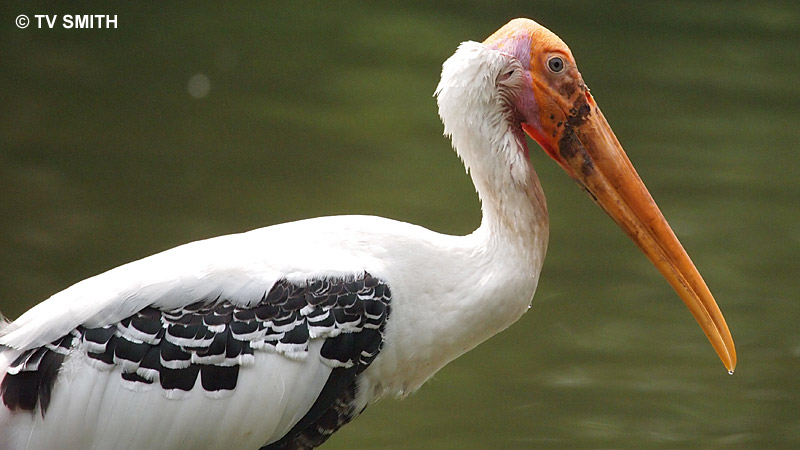
Up-Close. If they are not lazing on lamp posts, they can be seen wading and foraging in shallow waters. At Zoo Negara, they have a lake and a little island to themselves.

Olympus E-PL2, ISO 640, f6.4, 1/2000 sec

Olympus E-PL2, ISO 640, f6.4, 1/2000 sec

Birds Of A Feather. The Painted Stork gets its name from the distinctive pink feathers on its back.

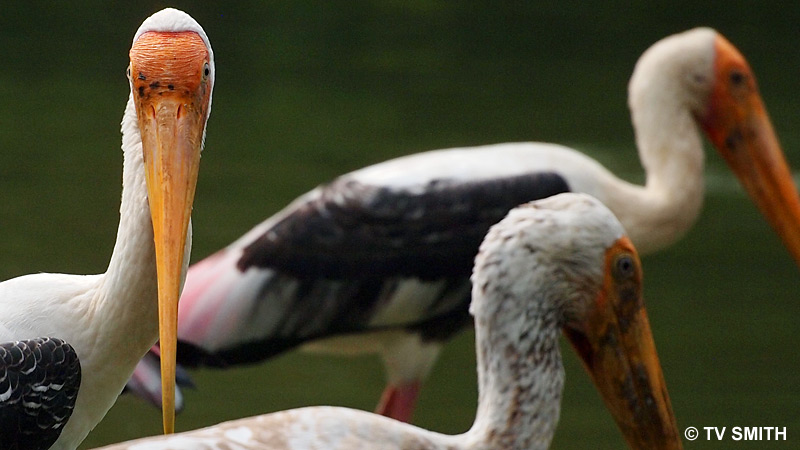
Olympus E-PL2, ISO 200, f8, 1/320 sec

Olympus E-PL2, ISO 200, f8, 1/320 sec

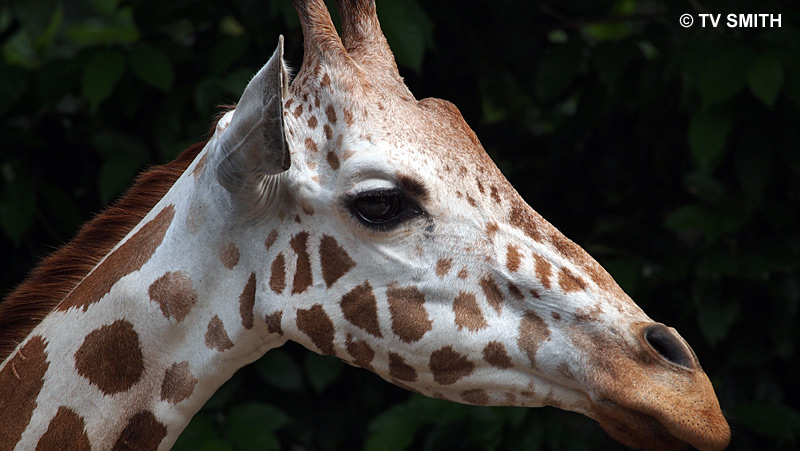
Nosy Neighbour. At the National Zoo, the giraffes are the storks’ next door neighbours. If you need a super sharp and long-reaching telephoto lens, I highly recommend the Olympus M.Zuiko ED 75-300mm (150 to 600mm equivalent ) zoom. All pictures here are photographed with this compact and feather-weight lens.

See also:
The Art Of Art Filters | Layang Layang | The Bird Park | Driving An Ultra-Wide

Tip: You can view larger versions of the images here, gallery-style. When the page finishes loading, click on any picture. Navigate via the arrows on each side of the frame.