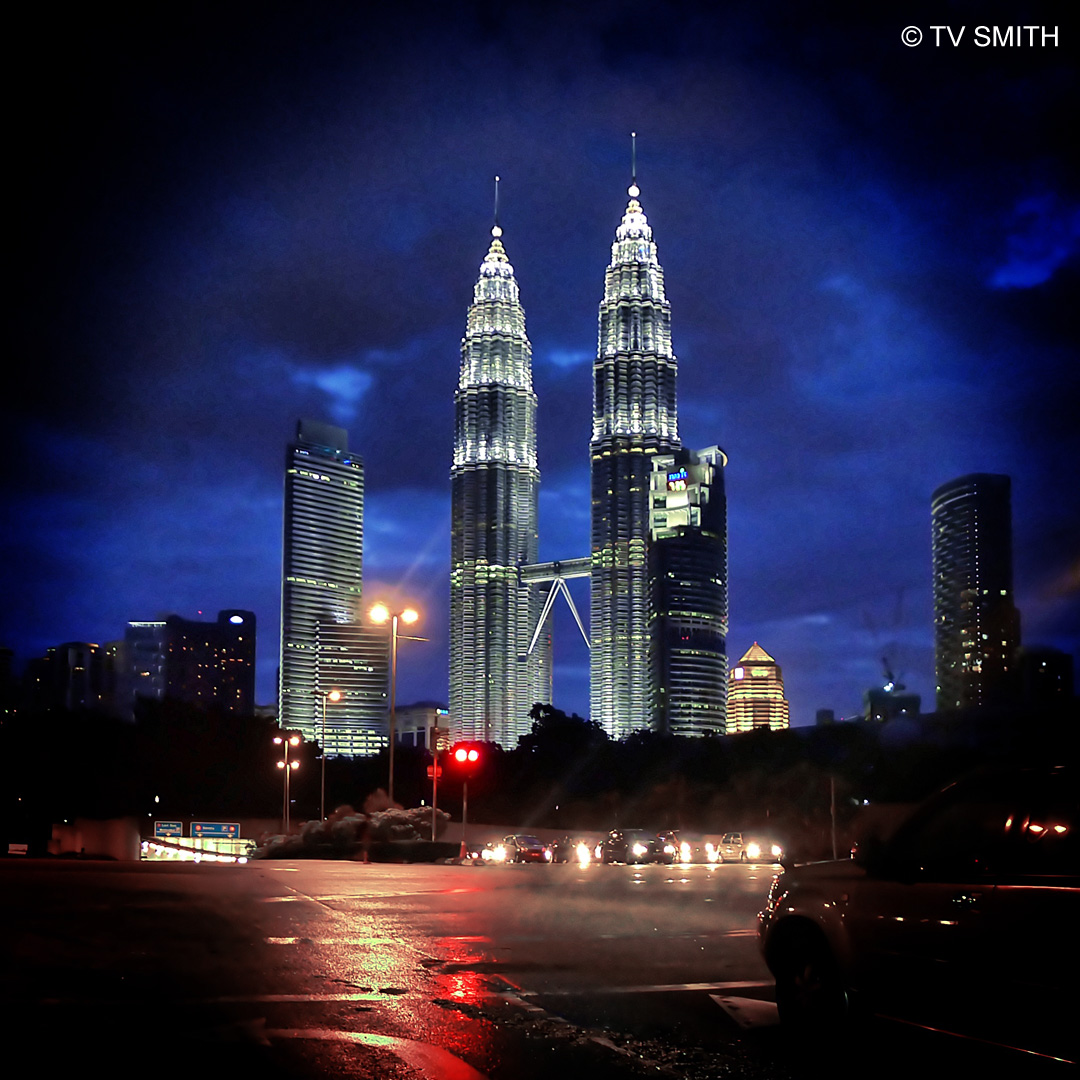
City Lights

Some photographers might use an ND (neutral density) filter in the day to obtain a wider aperture (narrower depth-of-field). Some use it to slow down the shutter speed when shooting a waterfall, for example.

I like using an ND Filter during dusk. The reduction in light allows me to use a very long exposure. When combined with a handheld shot in a moving vehicle, the lights will streak to become beautiful art. Try this only if you are the passenger.

Kuala Lumpur as seen from Jalan Loke Yew. Olympus OM-D, ISO 200, f3.5, 6 seconds with Hoya NDX 400 filter.

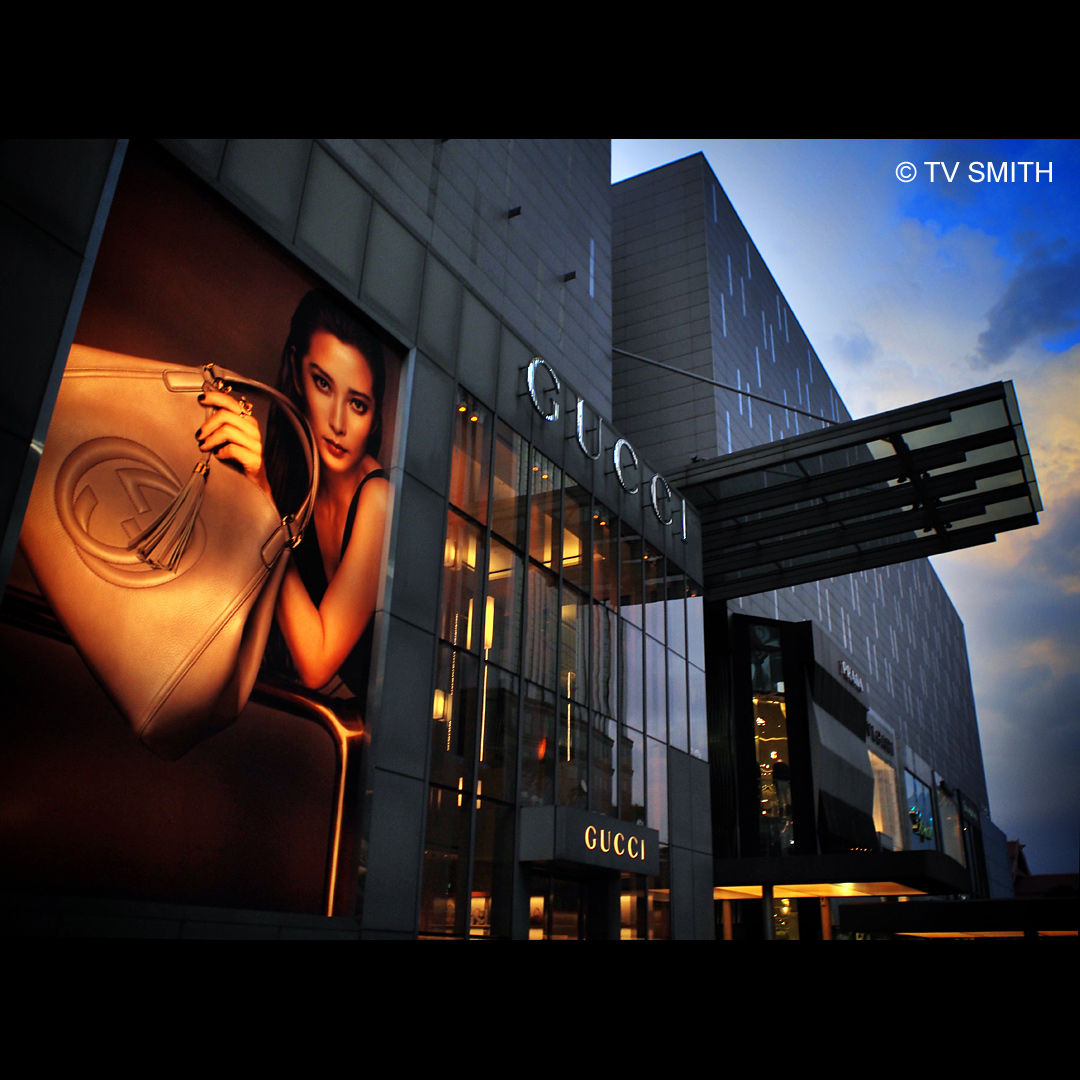
City Lights

New York, Kuala Lumpur

This scene kind of reminds me of 5th Avenue in Manhattan. The Body Cap Lens and OM-D combo reminds me of the Kodak Instamatic camera I had as a kid. No exposure or focus settings to worry about. Just concentrate on composition.

The Body Cap Lens’ 15mm (30mm in old money) viewpoint suits urban landscape and street photography quite well. With a wrist strap on the OM-D and the lens set to its hyperfocal distance of between 5 feet and infinity, I roamed Jalan Bukit Bintang like a happy tourist.

Olympus OM-D, ISO 200, f8, 1/60 sec with the Body Cap Lens.

New York, Kuala Lumpur

10 Seconds, 1 Shot

While waiting at the lights earlier, I couldn’t resist rolling down the window for a quick shot of the Petronas Twin Towers. Although there was rain, there was still lingering blue at 7:41 pm.

The Panasonic Lumix LX-5 pocket cam is no slouch in low light, of course. It has a f2 lens and can start up to shoot almost immediately. To stabilise the camera, I nudged it against the upper window sill.

Panasonic LX-5, ISO 400, f2, 1/10 sec.

Petronas Twin Towers, Kuala Lumpur