Through lingering sunset and soothing sounds of the azan. Above silhouettes, a solitary bird is flying home as night beckons. This beautiful and little-known masjid is in the tiny town of Beranang.
Olympus OM-D, ISO 500, f4, 1/1600 sec.
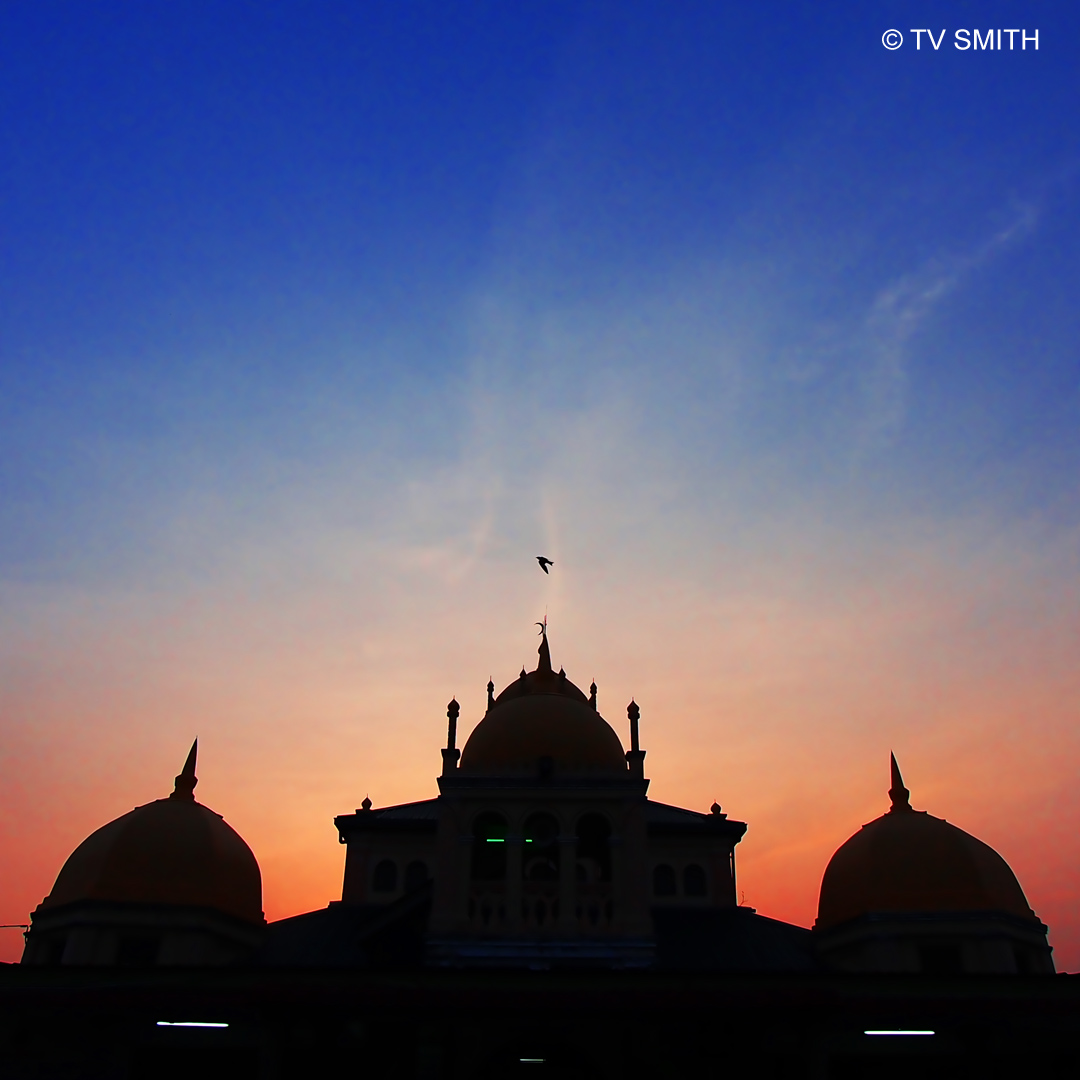
Through lingering sunset and soothing sounds of the azan. Above silhouettes, a solitary bird is flying home as night beckons. This beautiful and little-known masjid is in the tiny town of Beranang.
Olympus OM-D, ISO 500, f4, 1/1600 sec.
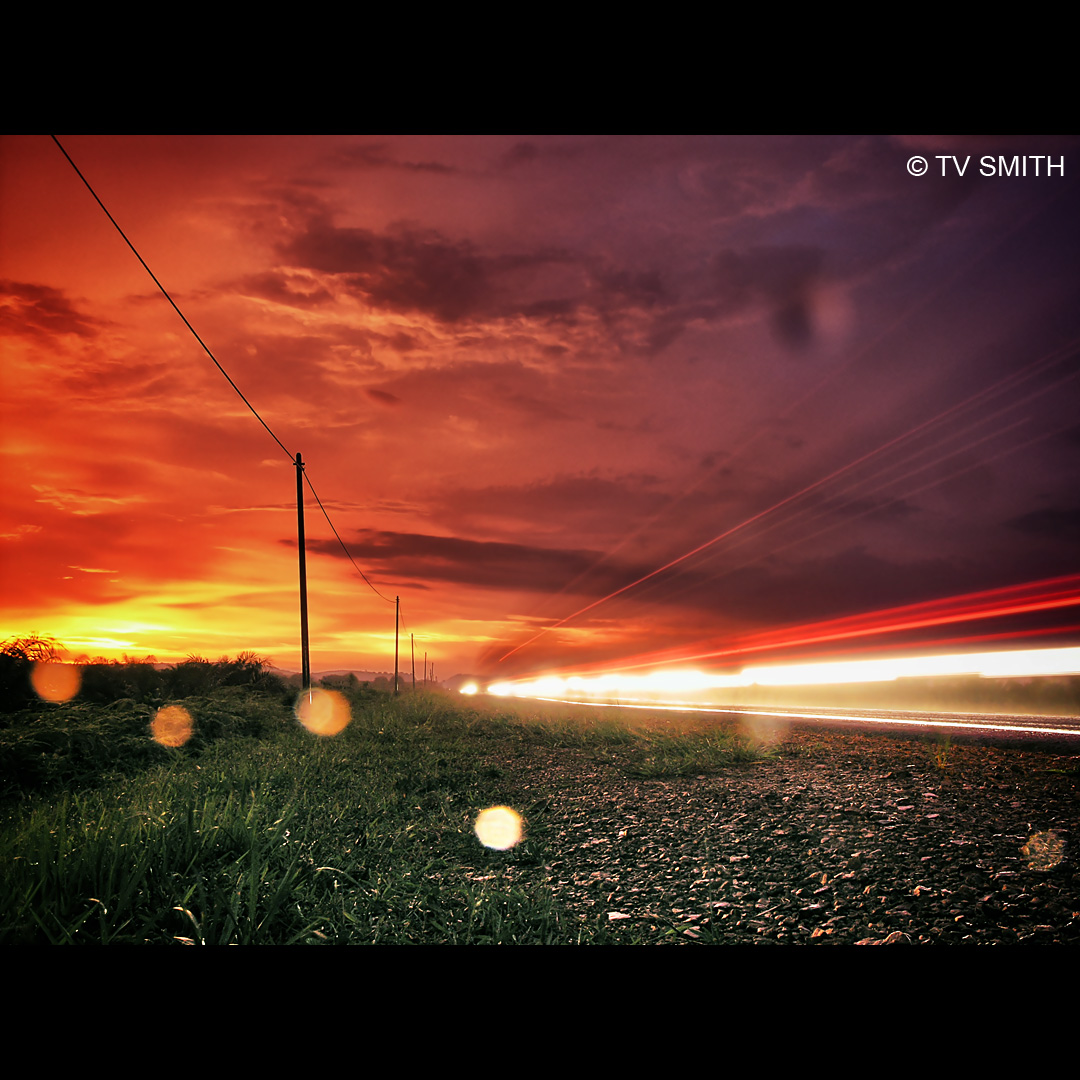
A long telephone line connected by poles that lean in different directions. Alongside, is an undulating road with pools of water that turned out to be mirages. Wichita Lineman was playing on the radio and I felt like a storm chaser in rural Kansas. But I was driving from Jelebu to Segamat via the lonesome Keratong Road that tarverses three states.
At 7pm, there was blazing sunset on one side and blistering rain on the other. It was the golden hour, nevertheless. I stopped by the side, set the camera on the ground and used a 5-second exposure to turn the intermittent traffic into molten lava. The drops of water are splashes from the vehicles flying by.
“I am a lineman for the county and I drive the main road. Searchin’ in the sun for another overload…”
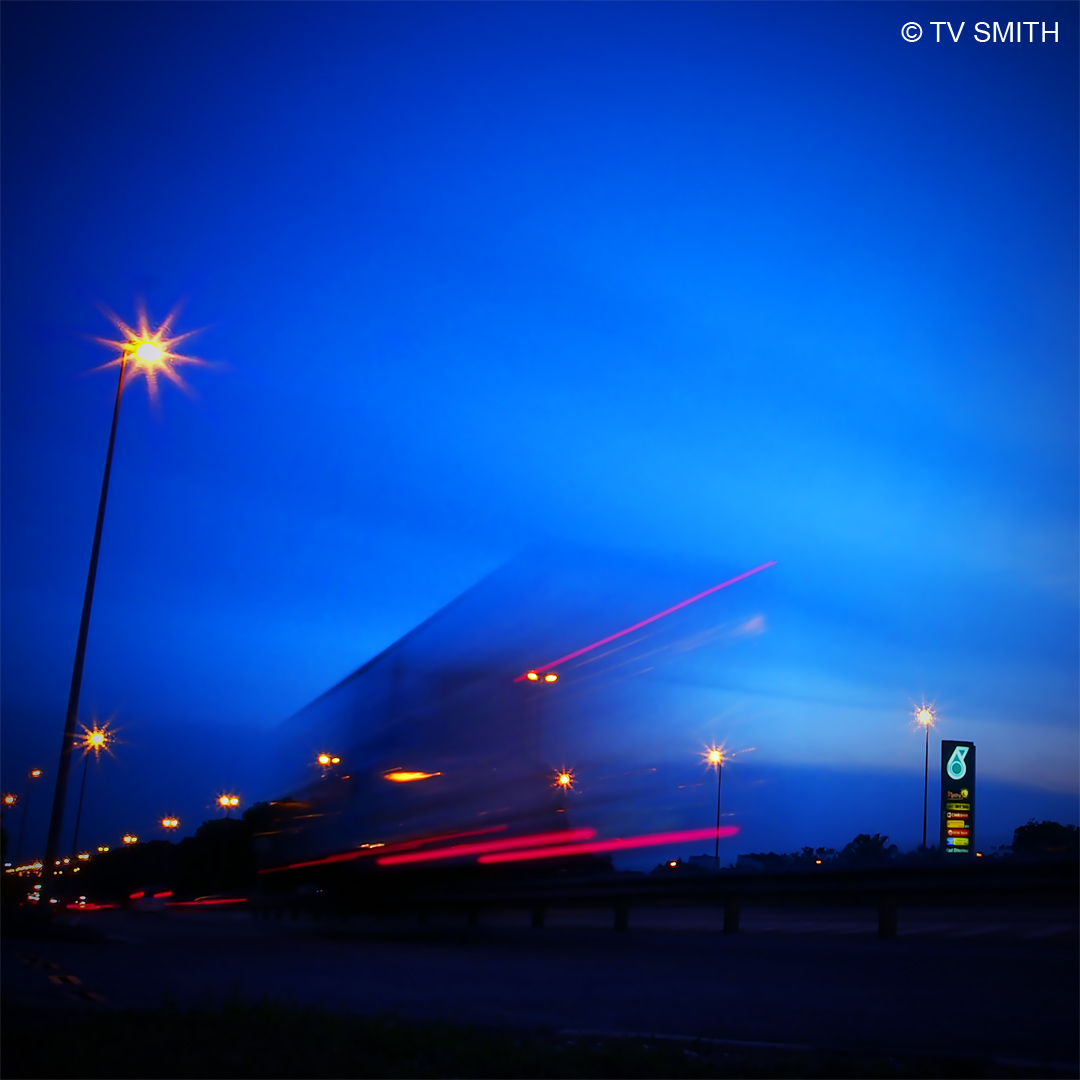
In photography (and cinematography), the ‘blue hour’ is the luminous period just after sunset. The glowing sky and lingering hue is more visible to the camera than the human eye. Preceding warmer colours are part of the ‘golden hour’ while the cooler ‘blue hour’ comes after or overlaps. The specific time, duration and mixture depend on your geographical location, season and the weather.
Also known collectively as the ‘magic hour’, it is actually shorter and takes place from around 6:50pm to 7:40pm, here in Malaysia. The opposite applies to sunrise and dawn.
At 7:25 pm on the Kesas Highway, I set the camera on a mini-tripod and placed it low on the asphalt. A 1.5-second slow exposure captured the streaks from the tail-lights of a speeding truck basking under magical afterglow.
Olympus OM-D, ISO 200, f11, 1.5 sec.