Light Is Light

I asked my friends to hold their phones around this lemon-mint drink at Lameeya. By carefully positioning the LED light from the three phones, I lit the drink as how I would in a studio. Of course in a studio, I can use a variety of light shapers, snoots and diffusers. Here with an impromptu shot at the restaurant, I used paper napkins as diffusers and my palm as a light cutter.

The takeaway here? Light is light. Once you understand how it paints your subject, you can turn the plain into something beautiful. Anywhere.

Olympus OM-D, ISO 200, f1.4, 1/400 sec.

Light Is Light

Thought For Food

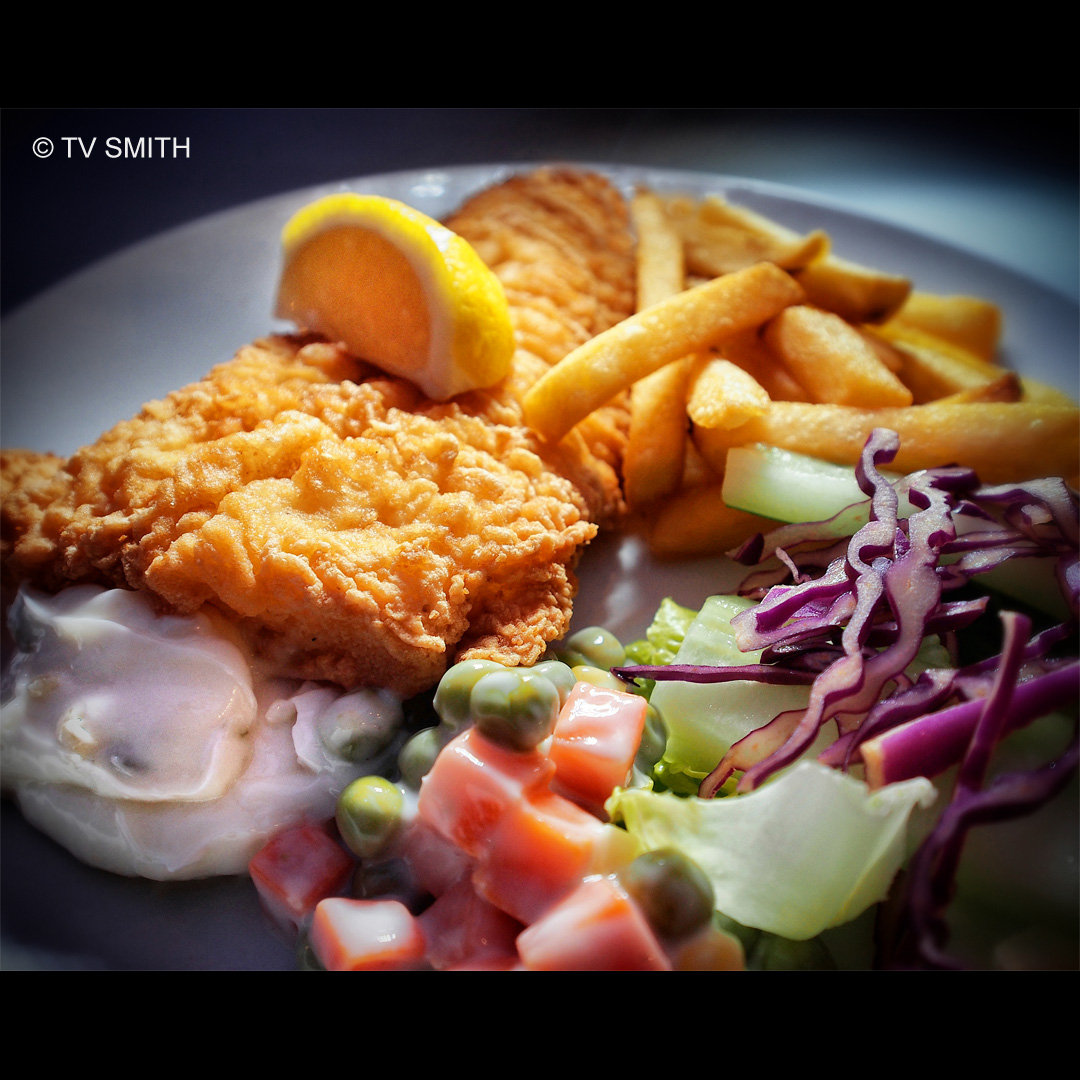
On a recent post, I suggested using the constant LED flash from two Samsung Galaxy phones. What if you have only one light source or phone? Get your opposite sitting partner to hold the light at about 1 feet above and behind the plate, around the 2 o’clock position. Food always looks better with light skimming above it to bring out the texture.

When working with a single light for food, think of it as early morning sunlight from a kitchen window. It is low, directional and it caresses. Since there is no light from the front, it may be a bit dark. No worries. Put a white napkin under your chin and it should reflect enough light to fill the shadows. I usually use a sheet of folded white A4 paper I carry in my bag.

A single LitePanels mobile unit was used here but your phone LED light should work just as well. While waiting for food you can play with your phone or talk to your partner (who is probably also busy checking his or her phone). Or you can study the ambient lighting and start imagining how you would use additional lights, if necessary.

This shot took only about 15 seconds to shoot from the time the ‘fish and chips’ arrived on the table. Don’t sweat it if you can’t seem to get it right. Remember; you are not aiming for perfection. Just a decent pic for social media. Some dishes are just not photogenic even though it may be tasty. If you encounter such, just put your camera away and focus on the eating.

Olympus OM-D, ISO 200, f5, 1/50 sec.
Thought For Food: Photographing Food

The Window Seat

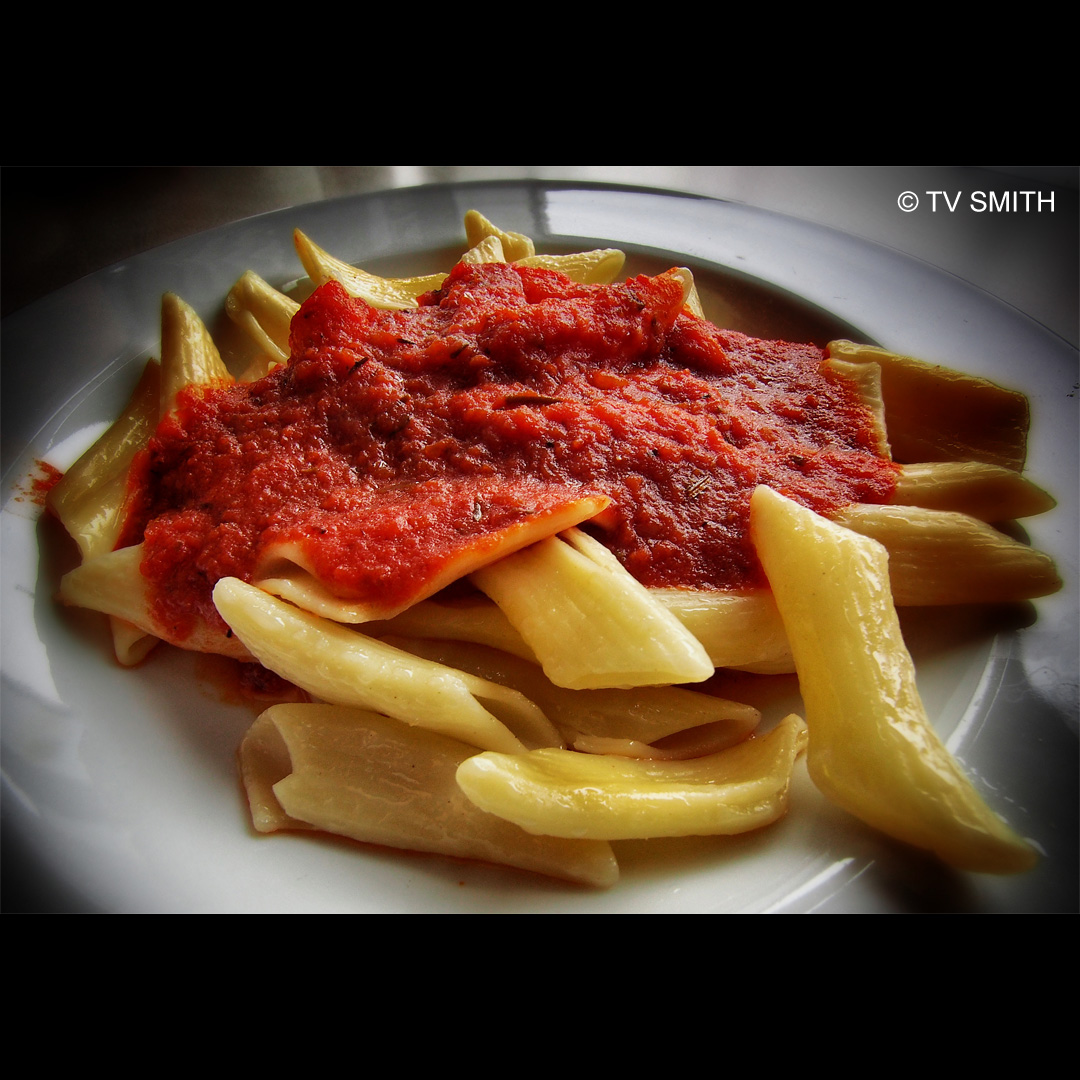
I love IKEA’s vegetarian pasta. For most textured food, the light should caress it from the rear or side. Only then do you see the texture, thus making it look sexier.

You can’t control much outside a studio setting but you can make your task easier. First thing I do, when eating out in the day, is to find a window seat where natural, diffused  sunlight seeps in. Not an easy task at the IKEA cafeteria as it is always crowded.

Tips for restaurant owners: To make your food look appetising on the menu, do not shoot from an overhead angle. Photograph from about 45 degree or lower. Psychologically, when the customer sees the food picture at the angle similar to that as viewed from a dining position, he or she will want to eat it.

Olympus OM-D, ISO 250, f10, 1/40 sec.

IKEA's Vegetarian Pasta