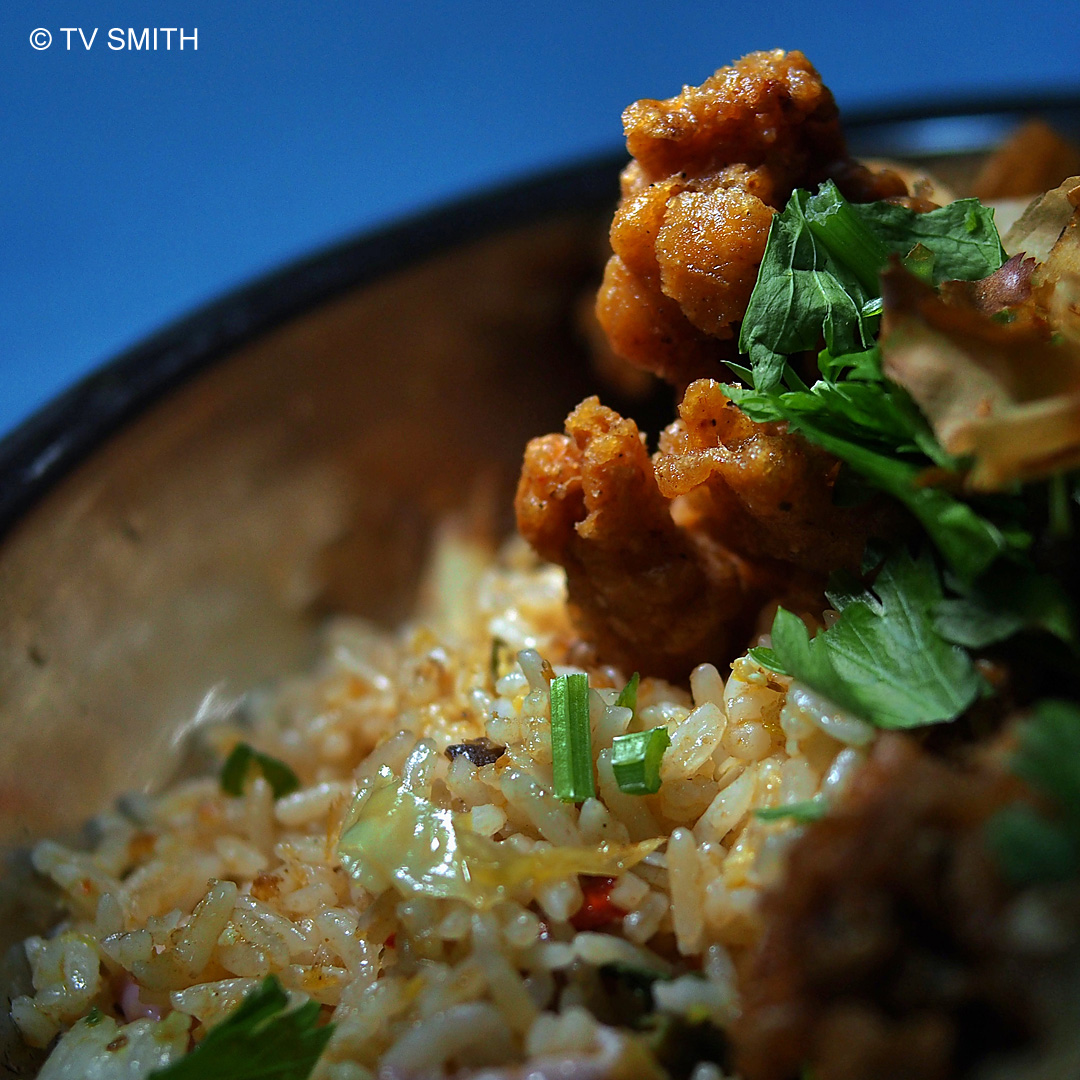
Fusion sea food fried rice from William’s Corner. The food is yummy but their greyish plastic table tops and fluorescent lighting aren’t exactly ideal for photography. So set your white balance to daylight or until the table turns a nice blue. I used the LED flash light from two Samsung Galaxy S3 phones to light this shot taken with the OM-D.
Tag Archives: galaxy
How To Take Better Pictures With The Samsung Galaxy S3 (Part 2)
Lemon Soda Can Be Sublime. Back-lit with single ML240 light panel from bottom.
Samsung Galaxy S III, ISO 100, f 2.6, 1/465 sec with -1.5 stop compensation
In Part 2 of this series, we’ll cover food, glorious food. Since your Galaxy S III will be next to you most of the time, you will probably use it when you come across an interesting dish or drink. Whether you a blogger, foodie or a compulsive Facebook poster, here are some alternative methods to get better pics out of your phone cam.
Secret Recipe’s Chocolate Mud Cake. Using the GS3’s built-in LED light as fill light.
Samsung Galaxy S III, ISO 100, f 2.6, 1/100 sec with +0.5 stop compensation
The best light is natural light. If you can, find a table near the window during the day. Directional light always makes food look good. If you are dining out at night, the Galaxy S 3 has a sufficiently bright LED ‘flash’. The LED light is also good for fill light against a brighter background in the day. But the biggest limitation of a built-in flash is that it is always positioned near the lens. This makes the lighted scene look flat. Since I can’t move or remove it, I carry a couple of tiny external LED lights in my bag.
Lammeya’s Chee Cheong Fun with Sesame Seeds lit from side with LitePanel’s Micro.
The ML-240 was used to rim the back of the plate very subtly with its level control.
Samsung Galaxy S III, ISO 100, f 2.6, 1/17 sec
With the pair, I can shape and style the dish without touching the food. The lights, when properly angled, can make the food “pop” visually. The idea is to create a window light source, even when there is none or where the restaurant is very dark. Whichever method you choose, remember you are at a restaurant. You are not in a studio, so avoid styling the food itself. Style the light instead. Get it done fast and do not hold up your dining partners for too long. Bon Appétit!
Edible Contradiction: Lameeya’s Healthy Fried Tofu. ML240 used as angled top light to bring out the texture of the fried bean curd.
Samsung Galaxy S III, ISO 100, f 2.6, 1/15 sec with -1 stop compensation
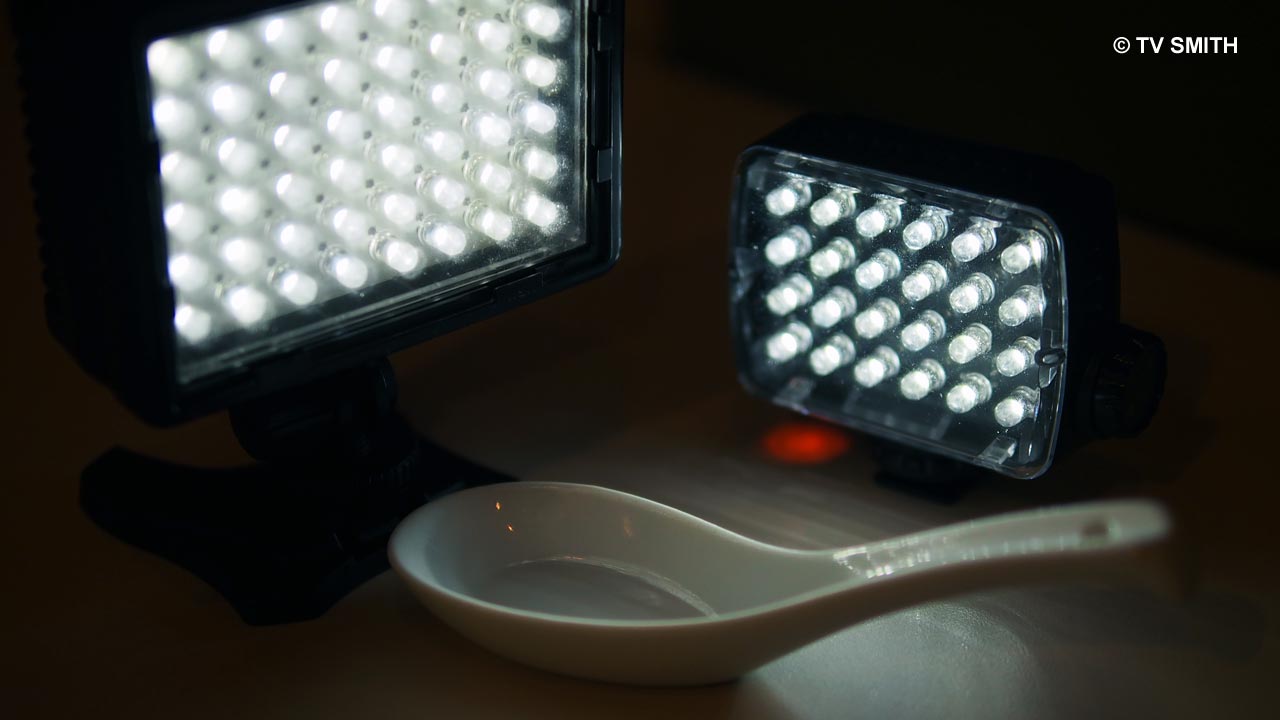
Dashing Duo: American Litepanel LP-Micro and Italian Manfrotto Mini-24 (ML240). You can see how tiny both these self-contained lights are. Both have variable output and have precision calibrated colour temperature, handy for video or stills tabletop work on any location.
Olympus OM-D EM-5, ISO 200, f 1.4, 1/160 sec
See also Part 1. Look out for PART 3.
Follow me on Instagram for more photography tips under username: tvsmithmy
Or read and look at more pics starting from the main page of this blog.
Click on image to see the BIG PICTURE
How To Take Better Pictures With The Samsung Galaxy S3 (Part 1)
Petronas Twin Towers, Kuala Lumpur
Samsung Galaxy S III, ISO 100, f 2.6, 1/15 sec
The new Galaxy SIII (GT-19300) boasts a 8mp camera. While the cam is fairly competent, a dedicated compact camera will still run circles around it. But then again, can a compact or dSLR surf the web, tweet, play videos, navigate with its GPS and much more? And still fit inside your shirt pocket comfortably?
This answers another question I am asked ever so often: “Which is the best camera out there?” The best camera is the one that is always by your side, ready for any unexpected photo moment. Not the expensive dSLR you leave at home because it is too heavy or is unsafe to carry.
As good as present technology is, some users still feel the pictures from their smartphones are not as smart. The reason to that could be surprisingly dumb.
Due to its position and the lack of a cover, the tiny lens is often smeared with greasy fingerprints, without the user even realising it. To obtain the best sharpness from your phone, inspect your lens and wipe it with a clean tissue. You’ll be amaze at the difference it makes!
Also, make it a habit to place the phone camera-end down into your pocket. That way you won’t grab the camera lens when taking it out. Now that we got the most important tip out of the way, let’s look at some settings for night shots for the Samsung Galaxy phone.
Manually adjust the ISO from Auto to ISO 100, unless light is really low and you have no other choice. As with any camera or camphone, the lowest ISO setting minimises picture noise. Another challenge will arise, as a result though. Shutter speed might get too low, and given its shape, the phone will be difficult to hold steady. It is no fun to carry a tripod, however small, when you have such a slim and light phone. So how?
I use the attached Samsung accessory flip cover as a L-shaped ‘tripod’. Just rest it on any surface and angle it to your liking. This was how I photographed both the shots featured here. Not bad considering the phone was clicking below 1/20th of a second.
Musical Fountain, KLCC Park
Samsung Galaxy S III, ISO 100, f 2.6, 1/17 sec with -1 stop compensation
Under Settings option, play with S3’s “Exposure Value” slider. It is basically exposure compensation where you can lower or increase the light to compensate for different lighting situations. In the above picture of the fountains, I slide the value to “-1 stop” to expose for the water jets. Learn how to access this setting and understanding how it works for better pics. I will explore more of this function in upcoming picture samples under various scenarios.
Look out for PART 2. See PART 2
Follow me on Instagram for more photography tips under username: tvsmithmy
Or read and look at more pics starting from the main page of this blog.
Click on image to see the BIG PICTURE