Lemon Soda Can Be Sublime. Back-lit with single ML240 light panel from bottom.
Samsung Galaxy S III, ISO 100, f 2.6, 1/465 sec with -1.5 stop compensation
In Part 2 of this series, we’ll cover food, glorious food. Since your Galaxy S III will be next to you most of the time, you will probably use it when you come across an interesting dish or drink. Whether you a blogger, foodie or a compulsive Facebook poster, here are some alternative methods to get better pics out of your phone cam.

Secret Recipe’s Chocolate Mud Cake. Using the GS3’s built-in LED light as fill light.
Samsung Galaxy S III, ISO 100, f 2.6, 1/100 sec with +0.5 stop compensation
The best light is natural light. If you can, find a table near the window during the day. Directional light always makes food look good. If you are dining out at night, the Galaxy S 3 has a sufficiently bright LED ‘flash’. The LED light is also good for fill light against a brighter background in the day. But the biggest limitation of a built-in flash is that it is always positioned near the lens. This makes the lighted scene look flat. Since I can’t move or remove it, I carry a couple of tiny external LED lights in my bag.

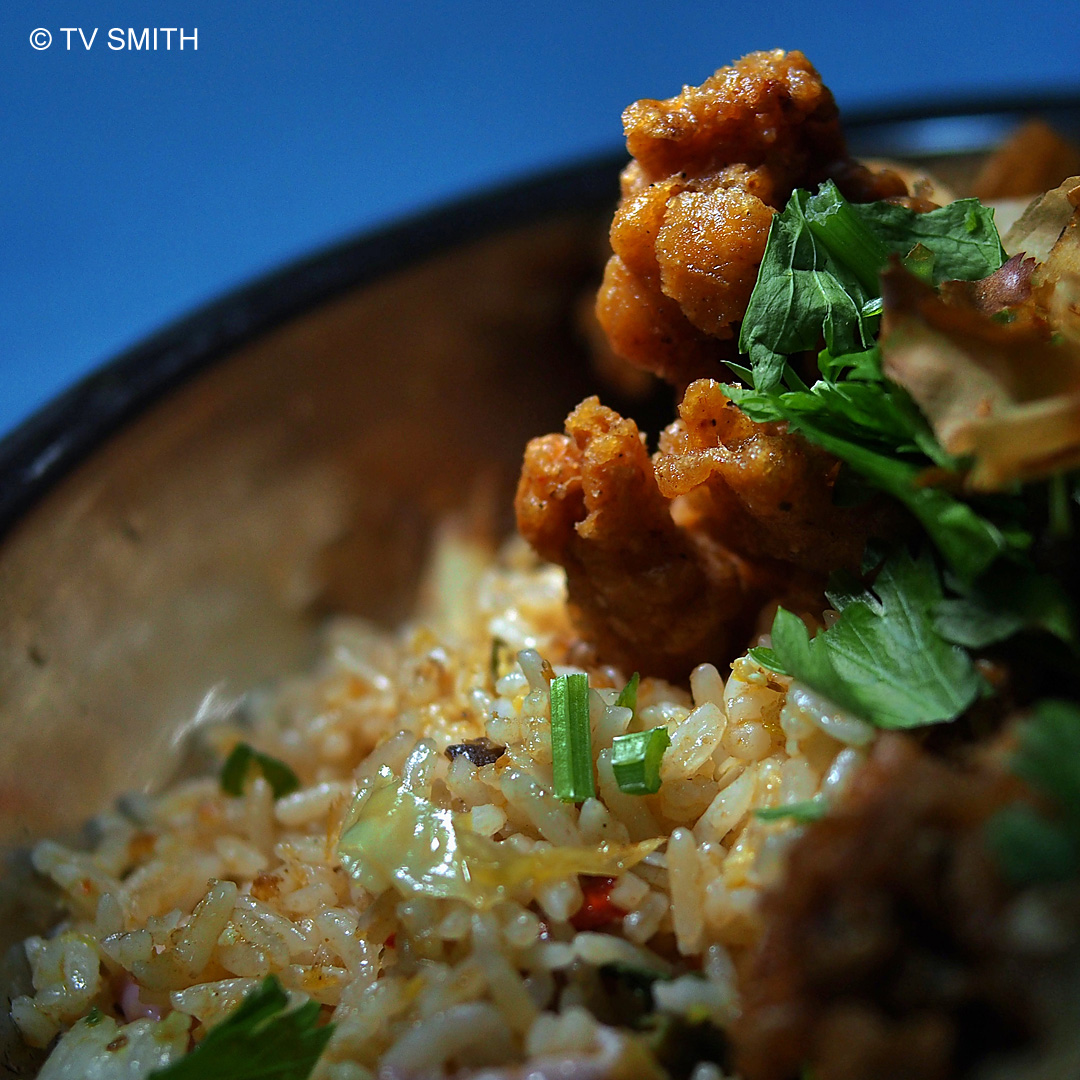
Lammeya’s Chee Cheong Fun with Sesame Seeds lit from side with LitePanel’s Micro.
The ML-240 was used to rim the back of the plate very subtly with its level control.
Samsung Galaxy S III, ISO 100, f 2.6, 1/17 sec
With the pair, I can shape and style the dish without touching the food. The lights, when properly angled, can make the food “pop” visually. The idea is to create a window light source, even when there is none or where the restaurant is very dark. Whichever method you choose, remember you are at a restaurant. You are not in a studio, so avoid styling the food itself. Style the light instead. Get it done fast and do not hold up your dining partners for too long. Bon Appétit!

Edible Contradiction: Lameeya’s Healthy Fried Tofu. ML240 used as angled top light to bring out the texture of the fried bean curd.
Samsung Galaxy S III, ISO 100, f 2.6, 1/15 sec with -1 stop compensation
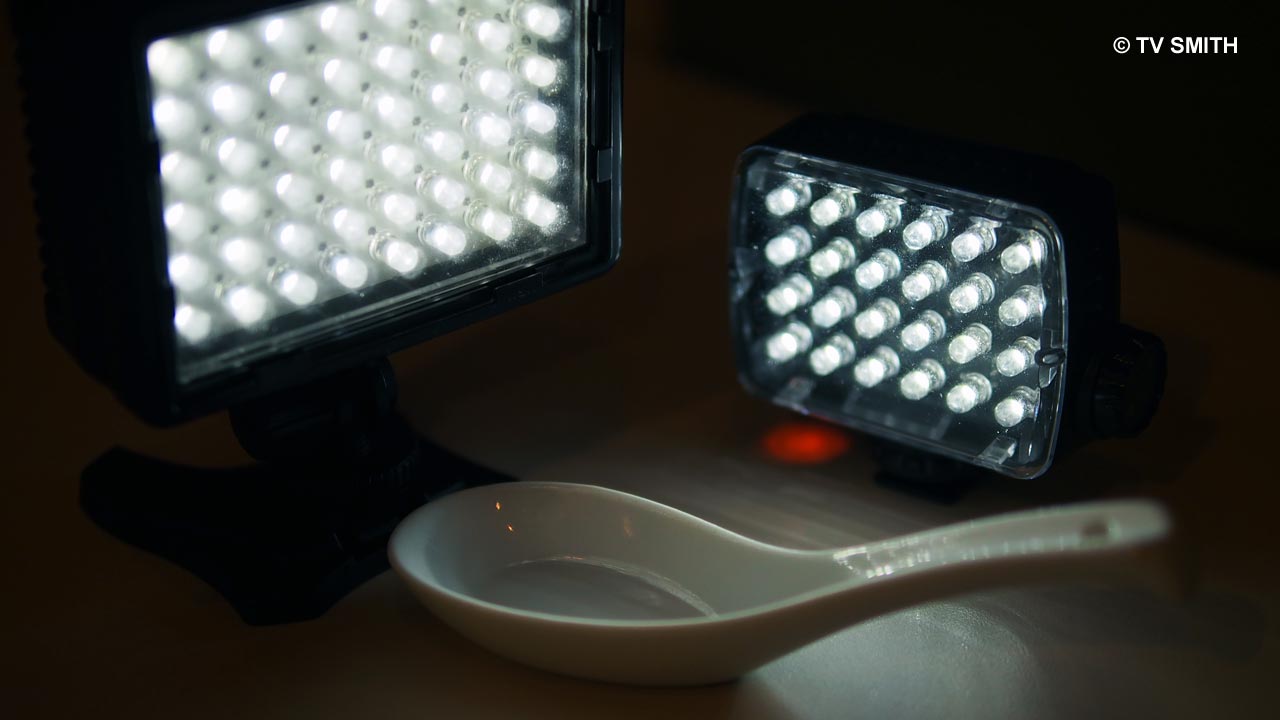
Dashing Duo: American Litepanel LP-Micro and Italian Manfrotto Mini-24 (ML240). You can see how tiny both these self-contained lights are. Both have variable output and have precision calibrated colour temperature, handy for video or stills tabletop work on any location.
Olympus OM-D EM-5, ISO 200, f 1.4, 1/160 sec
See also Part 1. Look out for PART 3.
Follow me on Instagram for more photography tips under username: tvsmithmy
Or read and look at more pics starting from the main page of this blog.
Click on image to see the BIG PICTURE